Landscaping choices play a pivotal role in the health and sustainability of outdoor spaces. When it comes to plant selections, integrating native plants into your landscape can offer a multitude of benefits, fostering a thriving environment that goes beyond mere aesthetics.
Adaptation to Local Conditions: Native plants have evolved over centuries to thrive in the specific soil, climate, and environmental conditions of a particular region. Choosing native species ensures that your landscape is equipped to handle the challenges posed by local weather patterns and soil types, resulting in healthier, more resilient plants.
Water Efficiency: Native plants are well-suited to the natural precipitation levels of their region, often requiring less water than non-native counterparts once established. This water efficiency is particularly crucial in regions with water conservation concerns, contributing to sustainable landscaping practices.
Biodiversity and Ecosystem Support: Native plants provide essential food and habitat for local wildlife, including birds, butterflies, and insects. By incorporating native species, you contribute to the biodiversity of your ecosystem, fostering a balanced and harmonious relationship between plants and the creatures that depend on them.
Pest and Disease Resistance: Having coexisted with local pests and diseases for generations, native plants have developed natural defenses against these challenges. This resilience reduces the need for chemical interventions, promoting a healthier, more environmentally friendly landscape.
Soil Health and Erosion Control: The deep-rooted systems of many native plants enhance soil structure and stability, preventing erosion and promoting overall soil health. This is especially beneficial in areas prone to erosion, contributing to the conservation of the landscape.
Low Maintenance Requirements: Native plants are adapted to the local environment, often requiring less maintenance than non-native species. Once established, they typically flourish with minimal intervention, saving you time and effort in caring for your landscape.
Preservation of Native Flora: Choosing native plants supports the preservation of regional biodiversity by maintaining the presence of species that have coevolved with the local environment. This, in turn, helps prevent the displacement of native flora by invasive species.
Aesthetically Pleasing Landscapes: Native plants offer a diverse range of colors, shapes, and sizes, allowing for the creation of aesthetically pleasing landscapes. The seasonal variations in native plants can bring dynamic beauty to your outdoor space, enhancing its visual appeal.
Our design team has some fantastic recommendations for North Carolina native plants that could be added to your landscape.
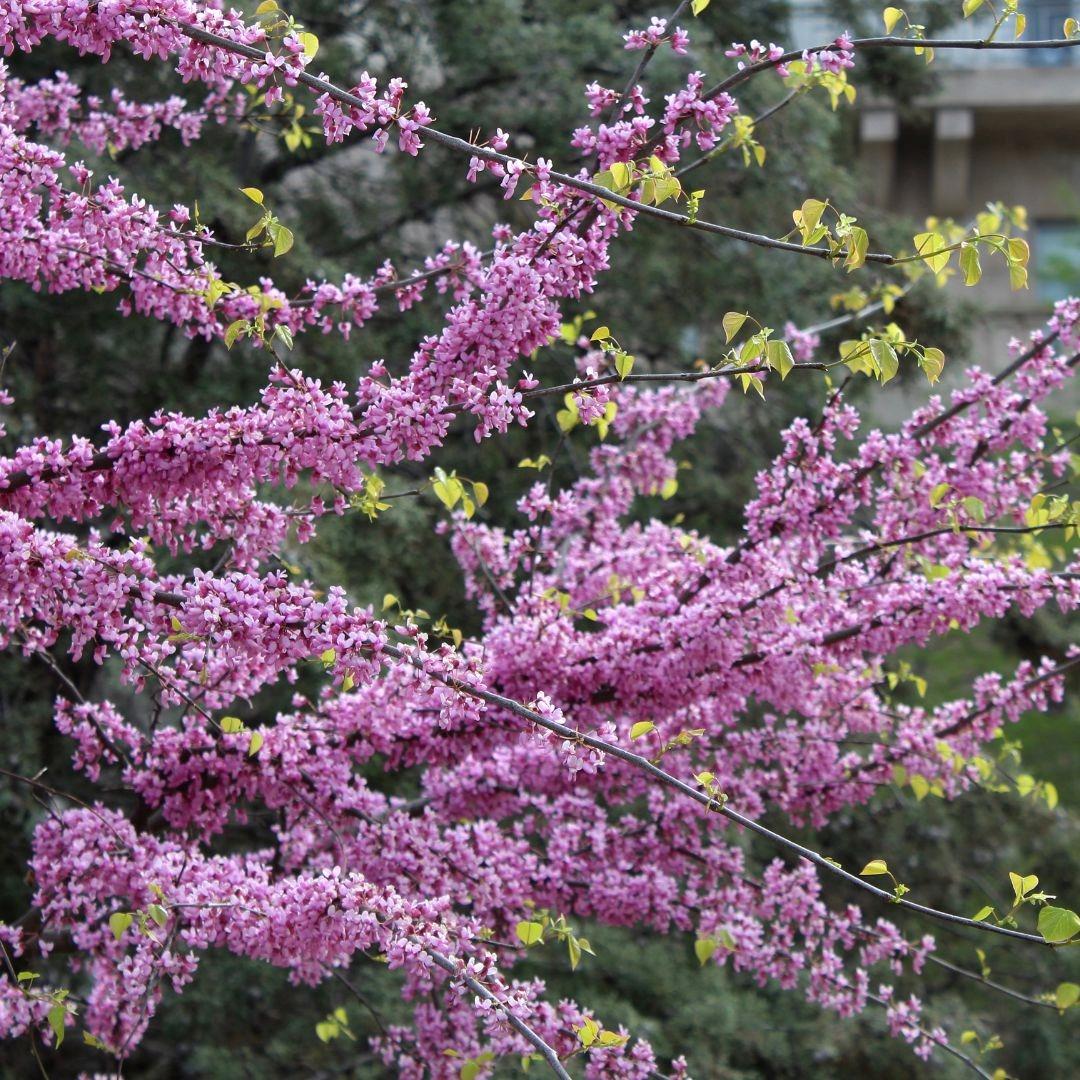
Eastern Redbud (Cercis canadensis):Optimal Growing Conditions: Thrives in well-drained soils and partial shade. Adaptable to various soil types, this deciduous tree graces North Carolina landscapes with its vibrant pink to purple blooms in early spring.
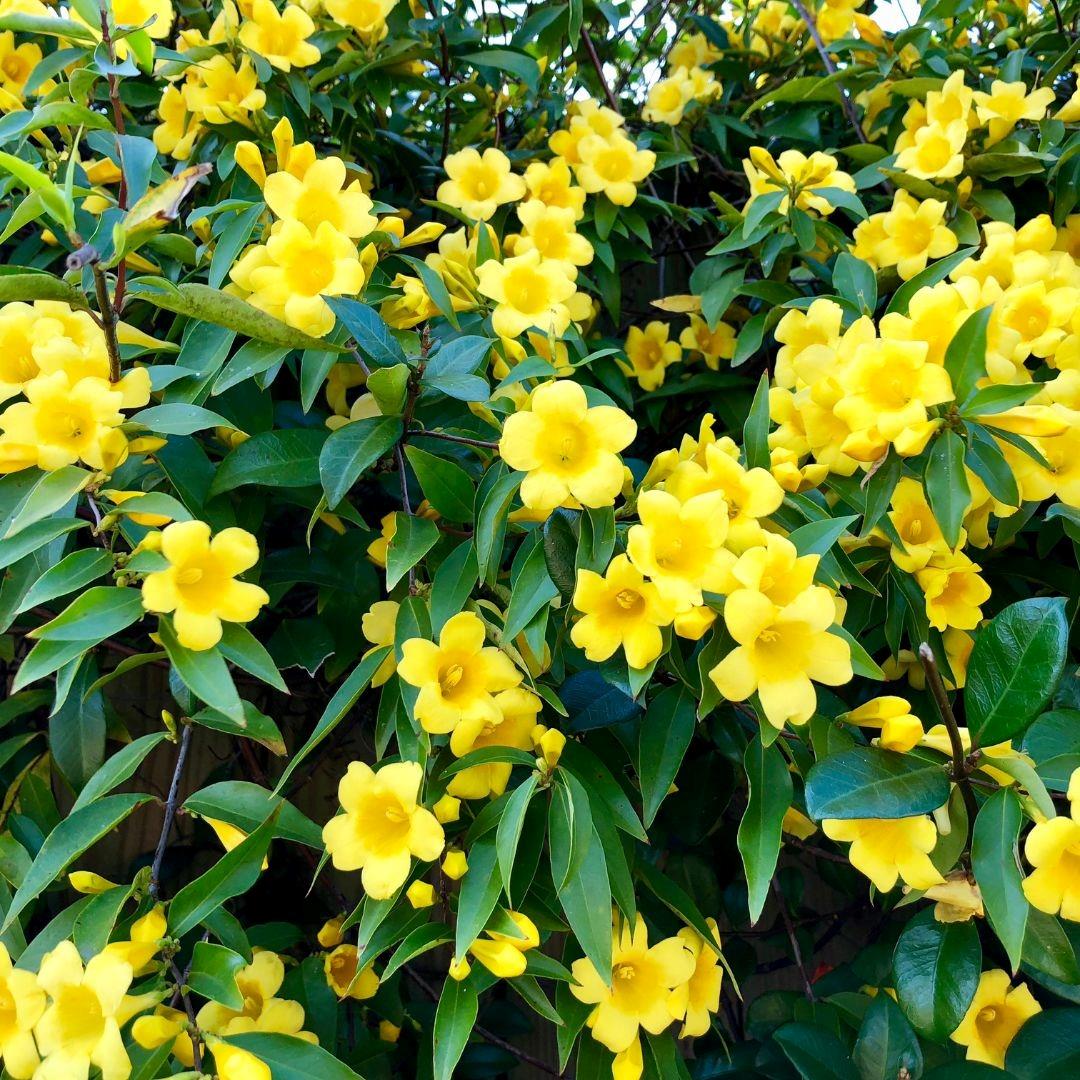
Carolina Jessamine (Gelsemium sempervirens): Optimal Growing Conditions: Flourishes in full sun to partial shade and well-drained soil. This evergreen vine produces fragrant, yellow trumpet-shaped flowers in late winter and early spring.
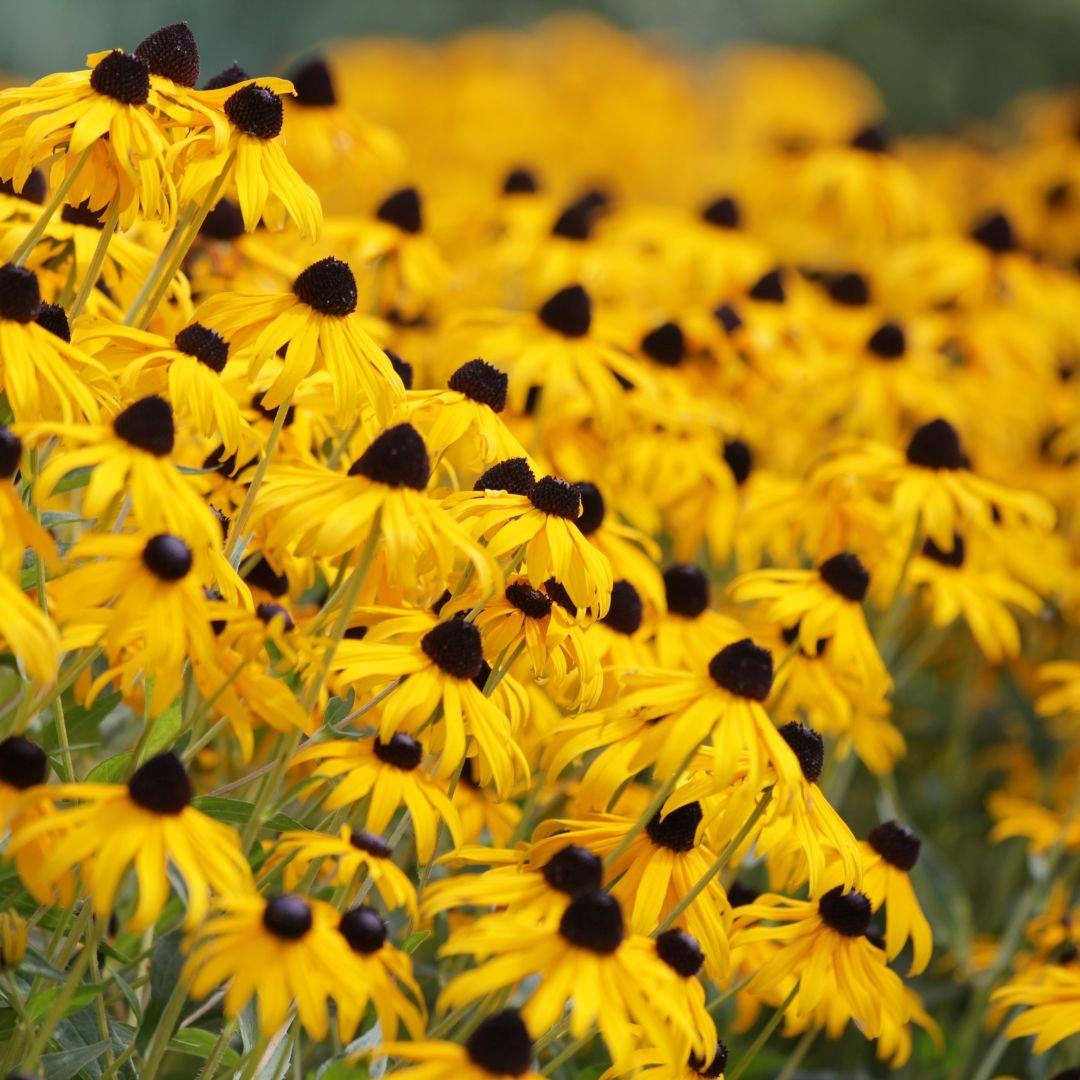
Black-eyed Susan (Rudbeckia hirta): Optimal Growing Conditions: Adaptable to various soils and sunlight levels, but thrives in full sun and well-drained soil. This resilient wildflower blooms with bright yellow petals and a dark central cone in summer.
Designing Sustainable Native Landscapes in the Triangle
Native plants are uniquely adapted to Central North Carolina’s soil composition, rainfall patterns, humidity, and seasonal temperature swings. When incorporated thoughtfully into a landscape design, they promote long-term resilience, reduce irrigation demands, and support local ecosystems.
In the Triangle, native plantings can strengthen biodiversity, improve soil stability, and minimize reliance on fertilizers and pesticides. Proper placement and site preparation are essential to ensure these species perform at their highest potential within a structured design.
Our design team integrates native plant selections into projects throughout Raleigh, Durham, Chapel Hill, and surrounding communities - balancing sustainability with refined aesthetic structure.
If you’re looking to create a landscape that is both environmentally responsible and visually compelling, a native planting consultation can help develop a plan tailored to your property.
👉 Schedule a Native Plant Consultation
Serving Homeowners Across the Triangle
If you’re in Raleigh, Durham, or Chapel Hill and need expert help with landscaping, hardscaping, or outdoor construction, Myatt Landscaping and Construction is here to help.
From custom patios and retaining walls to full outdoor design-build projects, our local team has served the Triangle area for more than 25 years.
📍 Myatt Landscaping and Construction
217 Technology Park Ln, Fuquay-Varina, NC 27526
☎ (919) 577-6050
Come Visit Us!
Frequently Asked Questions
Why are native plants beneficial in North Carolina?
Native plants are adapted to the region’s climate and soil conditions, making them more resilient, water-efficient, and supportive of local wildlife.
Do native plants require less maintenance?
Once established, many native species require less watering, fewer chemical treatments, and minimal intervention compared to non-native plants.
Can native plants improve soil health?
Yes. Many native plants have deep root systems that enhance soil structure, reduce erosion, and improve long-term soil stability.
Are native plants good for pollinators?
Native plants provide essential food and habitat for local pollinators, birds, and beneficial insects.
Can native plants fit into formal landscape designs?
Absolutely. Native species can be incorporated into structured layouts, layered plantings, and curated garden designs while maintaining aesthetic refinement.
Is professional planning important for native plant installations?
Yes. Proper site evaluation, soil preparation, and plant selection ensure native species thrive and integrate seamlessly into your overall landscape plan.