Invasive plant species pose a significant threat to North Carolina's ecosystems. These non-native plants can outcompete native flora, reduce biodiversity, and disrupt local habitats. Here are the top five invasive species to watch out for in the Tar Heel State:
Kudzu (Pueraria montana)
Kudzu, often called "the vine that ate the South," is infamous for its rapid growth and ability to smother everything in its path. Originally introduced for erosion control, it now covers millions of acres across the Southeast. Kudzu's dense growth can kill trees and shrubs by blocking sunlight, eventually leading to their death.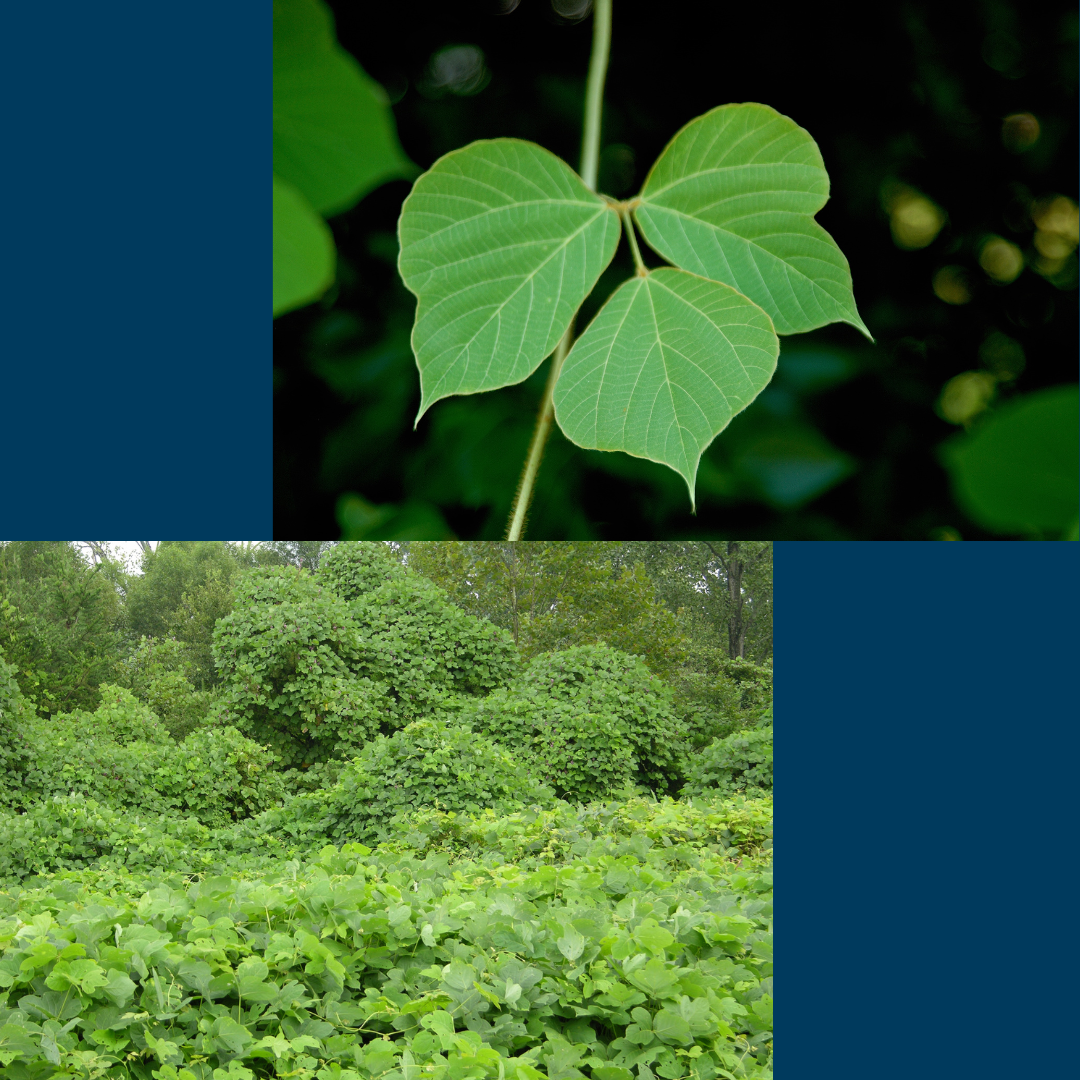
English Ivy (Hedera helix)
English Ivy is a popular ornamental plant that has become a pervasive invader. It climbs trees and structures, forming dense mats that can suffocate other vegetation. This ivy also harbors pests and diseases that can harm native plants. Its aggressive growth habit makes it difficult to control once established.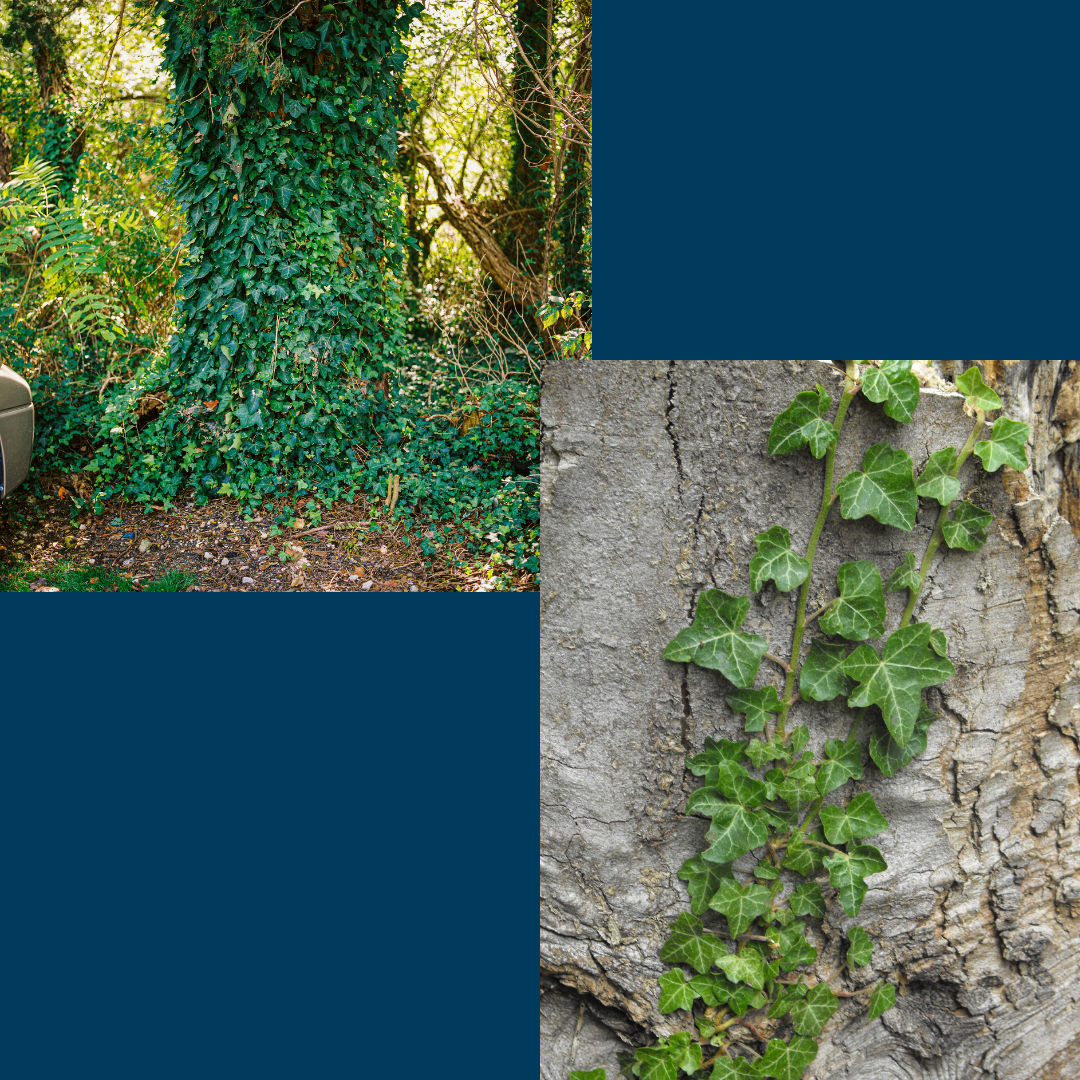
Japanese Honeysuckle (Lonicera japonica)
Japanese Honeysuckle is an attractive vine with fragrant flowers, but it is highly invasive. It spreads rapidly, forming dense thickets that can strangle shrubs and small trees. This vine competes with native plants for light, nutrients, and space, significantly altering natural habitats.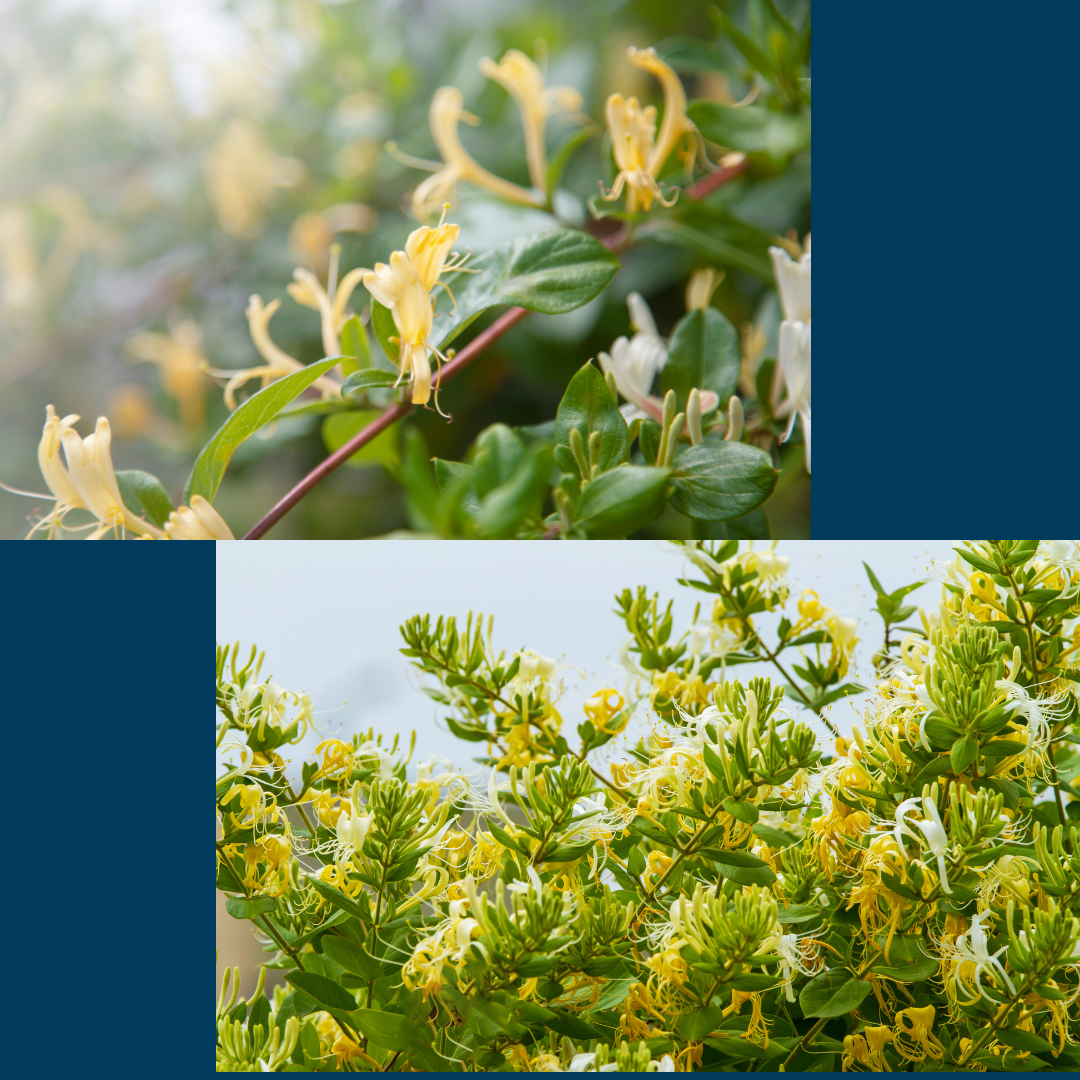
Callery Pear (Pyrus calleryana)
Callery Pear, commonly known for its beautiful spring blossoms, has become an invasive menace. It spreads through seeds dispersed by birds, creating dense thickets that crowd out native plants. The tree’s rapid growth and ability to thrive in various conditions make it particularly troublesome. Its dense canopies block sunlight, inhibiting the growth of understory plants and reducing biodiversity. 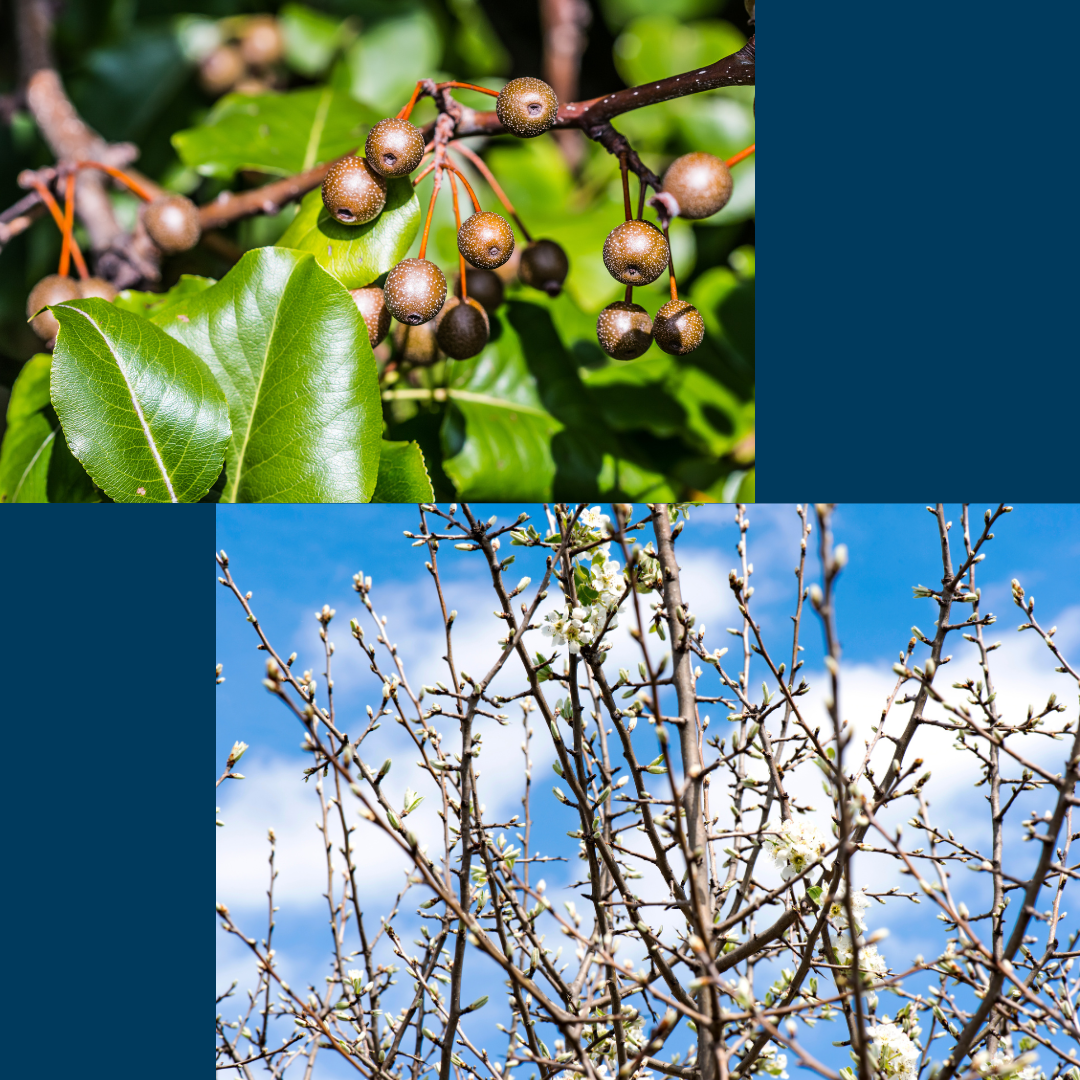
Managing Invasive Species
Controlling invasive species requires vigilance and effort. Here are some tips to manage these problem plants:
Early Detection and Rapid Response: Identify and remove invasive species as soon as they appear in your area.
Mechanical Control: Hand-pull or dig out smaller plants and seedlings. For larger infestations, mowing or cutting can help reduce their spread.
Chemical Control: Use herbicides judiciously, following all label instructions to minimize environmental impact.
Education and Prevention: Learn to recognize invasive species and avoid planting them in your garden.
By understanding and managing these invasive species, we can help protect North Carolina's diverse and beautiful ecosystems.
Protecting Triangle Landscapes from Invasive Plant Species
Invasive species don’t just threaten natural ecosystems - they can quickly overwhelm residential landscapes, choke out native plantings, and create long-term maintenance challenges. In North Carolina’s climate, fast-growing vines and aggressive trees can spread rapidly if not identified and managed early.
For homeowners in the Triangle, early detection and proper removal strategies are essential. Simply cutting back invasive plants often leads to regrowth. A thoughtful removal and replanting plan ensures the invasive species are controlled while replacing them with appropriate, regionally adapted plants that support long-term landscape health.
Our team helps homeowners throughout Raleigh, Durham, Chapel Hill, and surrounding Triangle communities identify invasive plants, implement removal strategies, and redesign affected areas with sustainable alternatives.
If you suspect invasive species are impacting your property, a professional landscape evaluation can help determine the most effective course of action.
👉 Schedule a Landscape Evaluation
Serving Homeowners Across the Triangle
If you’re in Raleigh, Durham, or Chapel Hill and need expert help with landscaping, hardscaping, or outdoor construction, Myatt Landscaping and Construction is here to help.
From custom patios and retaining walls to full outdoor design-build projects, our local team has served the Triangle area for more than 25 years.
📍 Myatt Landscaping and Construction
217 Technology Park Ln, Fuquay-Varina, NC 27526
☎ (919) 577-6050
Come Visit Us!
Frequently Asked Questions
Why are invasive species a problem in North Carolina?
Invasive plants outcompete native species, reduce biodiversity, disrupt habitats, and can create long-term maintenance challenges in residential and commercial landscapes.
How can I tell if a plant in my yard is invasive?
Invasive plants often spread aggressively, crowd out nearby vegetation, and form dense thickets or climbing growth that overwhelms trees and shrubs.
Is cutting invasive plants enough to control them?
In many cases, cutting alone is not sufficient. Many invasive species regrow from roots or remaining stems, requiring a comprehensive removal strategy.
Can invasive species damage trees?
Yes. Vining species like kudzu or English ivy can block sunlight, add weight to branches, and weaken trees over time.
What should replace invasive plants after removal?
Replacing invasive species with native or regionally adapted plants helps restore balance, improve biodiversity, and reduce future maintenance issues.
When is the best time to remove invasive species?
Early detection is key. Removing invasive plants before they seed or spread further increases the likelihood of long-term control.