Central North Carolina, with its diverse climate and varying seasonal conditions, poses a unique challenge when it comes to selecting the right type of turf for your lawn. Among the most debated choices are between cool and warm season grass, each offering distinct advantages and considerations that can significantly influence your landscaping decisions.
Cool Season
Fescue grass, a cool-season turf, is a popular choice for homeowners in North Carolina due to its adaptability to a range of soil types and moderate shade tolerance. This grass variety thrives during the fall and spring when temperatures are mild and is often seeded in the region to establish new lawns. Fescue's lush green appearance and resistance to high temperatures make it an appealing choice for many homeowners.
One of the standout features of Fescue is its ability to maintain its green hue throughout the year, offering an attractive lawn even during the colder months. However, during the heat of the summer, Fescue may experience dormancy, turning brown until the cooler seasons return.
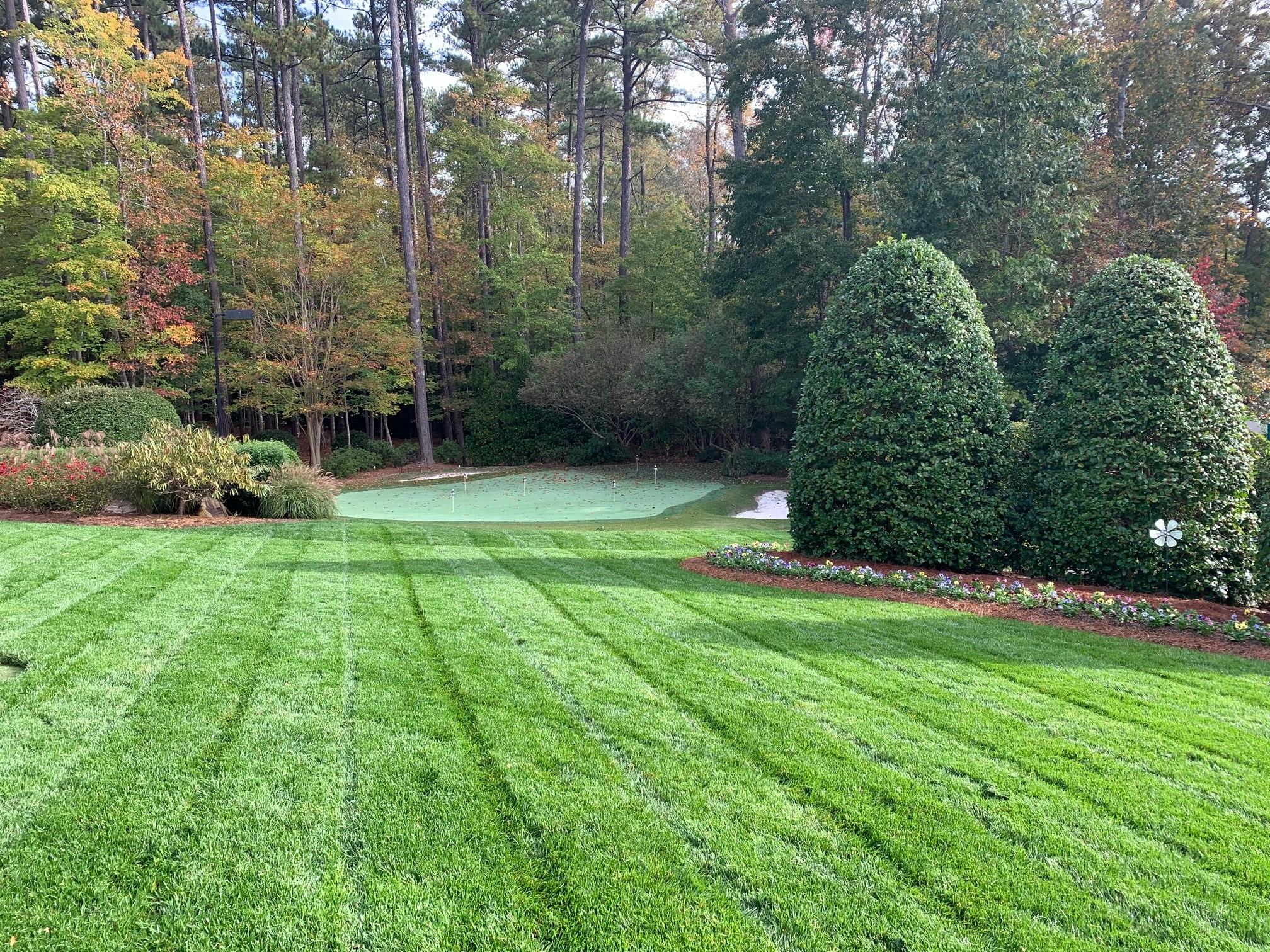
Fescue, a cool-season turf
Warm Season Turf
Bermuda, Zoysia, and St Augustine on the other hand, are warm-season turfs that excel in North Carolina's warmer months. They boast excellent drought tolerance, making them ideal for the hot and dry summers prevalent in the region. They are known for their rapid growth and quick recovery from stress, making them resilient in high-traffic areas.
These types of grasses displays exceptional wear resistance, making them a preferred choice for athletic fields and golf courses. However, warm-season grass will go dormant and become brown during winter. 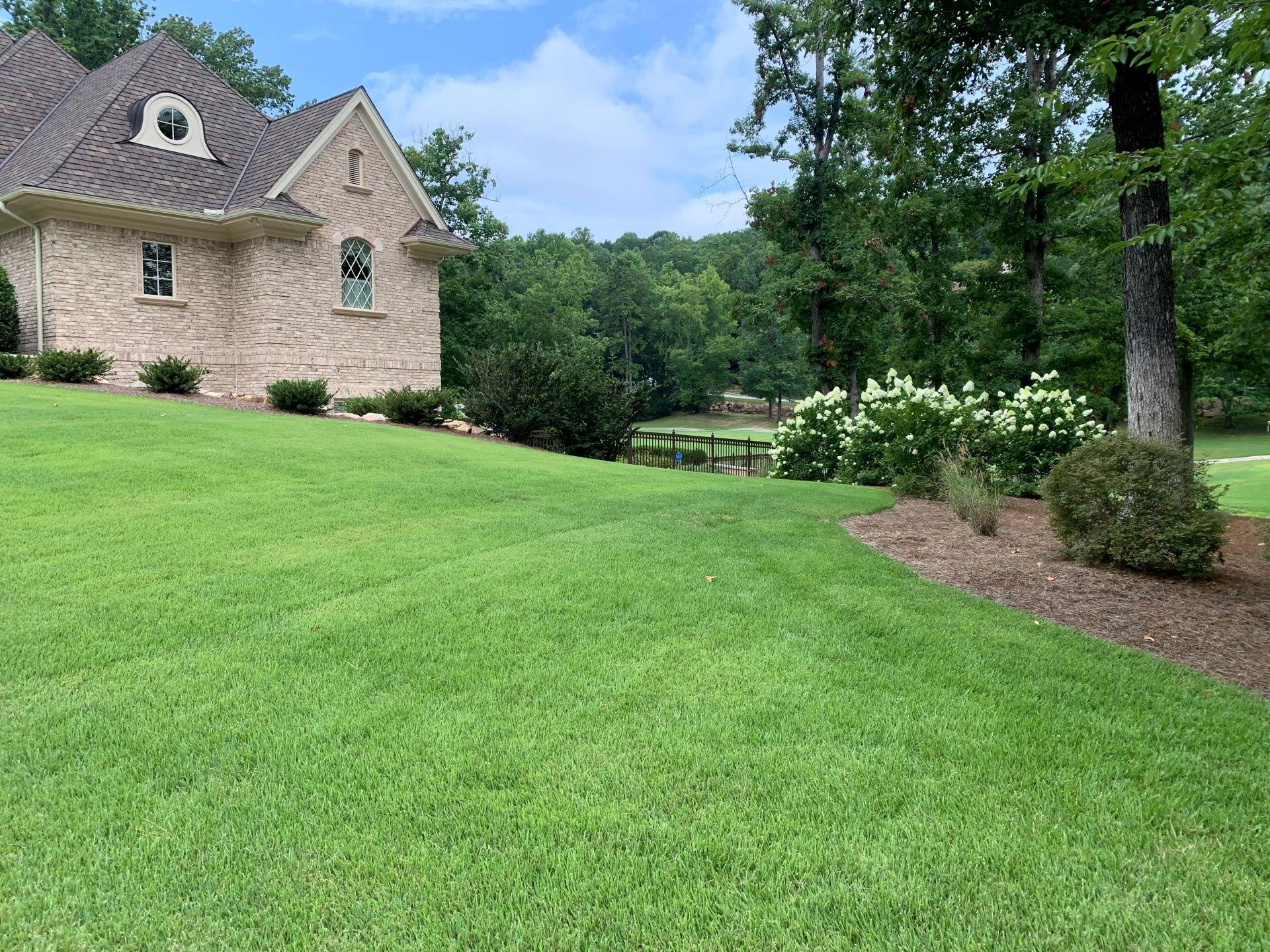
Zenith Zoysia, a warm-season turf
Making the Choice
The decision between cool and warm-season grass ultimately depends on your specific needs and preferences. If you prioritize a lush, green lawn year-round and can provide ample water during the summer, Fescue may be the right choice for you. On the other hand, if low maintenance and high heat tolerance are your primary concerns, warm season grass is likely the more suitable option.
Consider consulting with a local landscaping company, like Myatt Landscaping and Construction, to evaluate your soil, climate, and lawn conditions before making a final decision.
Choosing the Right Turf for Central North Carolina
Central North Carolina sits in a transition zone - meaning both cool-season and warm-season grasses can perform well depending on your property, irrigation setup, and maintenance goals. Homeowners across Raleigh, Durham, Chapel Hill, and the greater Triangle must balance summer heat, occasional drought, and mild winters when selecting turf.
Fescue, a cool-season turf, maintains green color through fall, winter, and spring but may struggle during peak summer heat without irrigation. Warm-season grasses such as Bermuda, Zoysia, and St. Augustine thrive in hot summers and offer excellent drought tolerance, though they enter dormancy and turn brown in winter.
The right decision depends on sun exposure, traffic levels, soil conditions, and how much seasonal color consistency matters to you. A professional turf evaluation ensures long-term lawn performance and reduced maintenance challenges.
👉 Schedule a Lawn Evaluation
Serving Homeowners Across the Triangle
If you’re in Raleigh, Durham, or Chapel Hill and need expert help with landscaping, hardscaping, or outdoor construction, Myatt Landscaping and Construction is here to help.
From custom patios and retaining walls to full outdoor design-build projects, our local team has served the Triangle area for more than 25 years.
📍 Myatt Landscaping and Construction
217 Technology Park Ln, Fuquay-Varina, NC 27526
☎ (919) 577-6050
Come Visit Us!
Frequently Asked Questions
What is the best grass for Central North Carolina?
Both cool-season and warm-season grasses can work well. The best choice depends on sunlight, irrigation capability, and desired year-round appearance.
Does fescue stay green all year?
Fescue typically stays green through winter but may go dormant or struggle during extreme summer heat without adequate watering.
Why choose warm-season turf?
Bermuda, Zoysia, and St. Augustine offer strong drought tolerance, fast recovery from traffic, and excellent performance during hot summers.
Do warm-season grasses turn brown in winter?
Yes. Warm-season turf naturally goes dormant and turns brown during colder months before greening up again in late spring.
Is irrigation necessary for fescue?
Fescue generally requires supplemental irrigation during summer to prevent stress and thinning.
Can a professional help determine the right turf?
Yes. Soil analysis, sunlight evaluation, and traffic considerations all factor into selecting the most appropriate grass variety.