The pH of your soil is a crucial factor in maintaining a healthy lawn. If the soil pH is too high or too low, your grass may struggle to thrive. In many regions, including the Eastern United States, soil tends to be too acidic. A common solution to this problem is to use lime for lawns.
What Is Lime for Lawns?
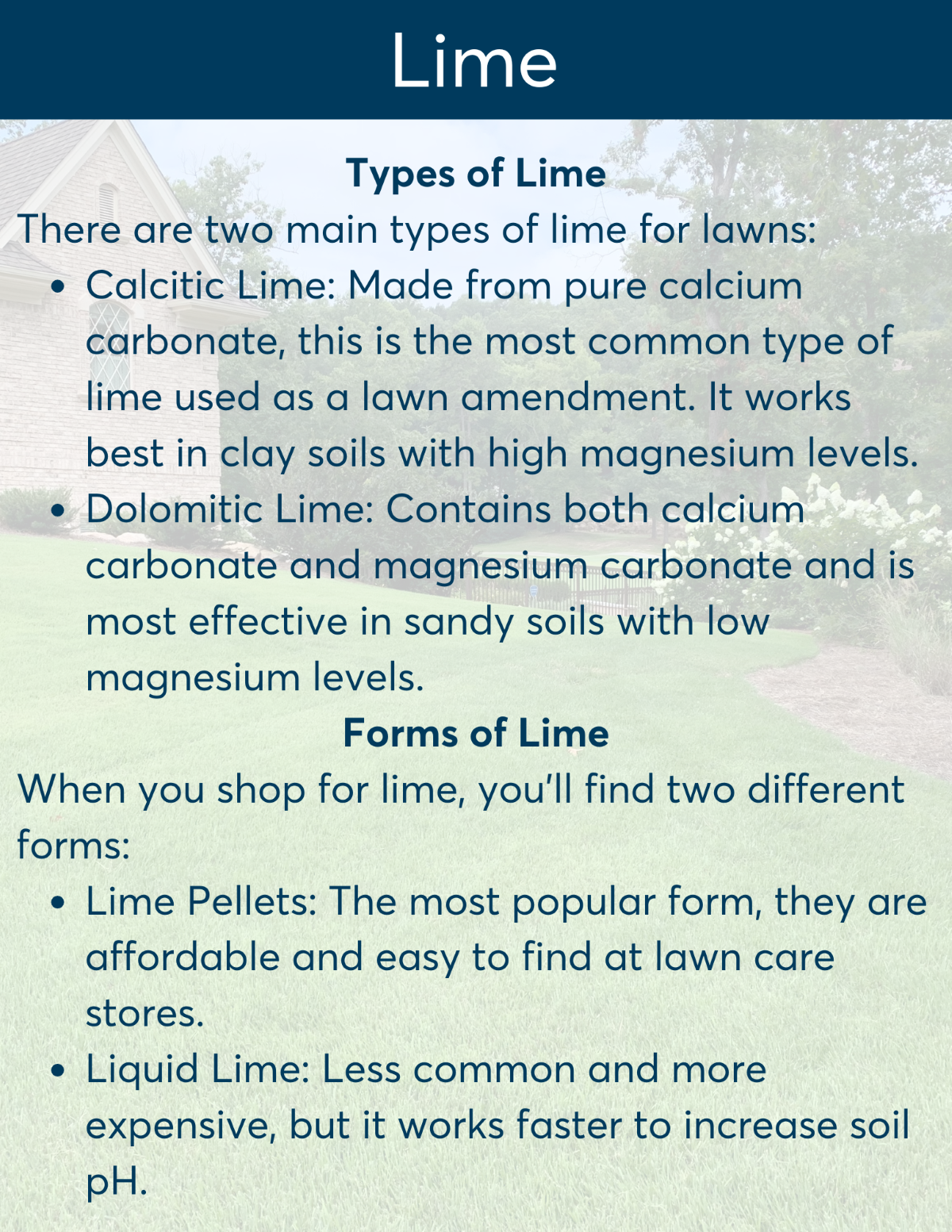
We’re not talking about the green citrus fruit! In this context, lime is a soil amendment made from ground limestone rock, marble, or chalk. Lime contains calcium carbonate and magnesium carbonate, which can naturally increase a soil’s pH, making it less acidic.
Benefits of Lime Treatment for a Lawn
Understanding the benefits of lime begins with recognizing how soil pH impacts grass health. Grass thrives in a pH range of 6.0 to 7.0. When soil is too acidic or too alkaline, grass roots struggle to absorb essential nutrients, leading to weaker, less healthy lawns. Lime works by neutralizing soil acidity, creating a more favorable environment for grass growth.
By increasing soil pH, lime enhances the availability of vital nutrients like nitrogen, phosphorus, and potassium to the grass. Additionally, beneficial microorganisms, crucial for maintaining soil health, thrive in a balanced pH environment that lime helps create. Furthermore, herbicides and pesticides are more effective in neutral soil, as they tend to break down more quickly in highly acidic conditions, reducing their efficacy. Using lime to maintain the proper soil pH ensures a healthier, more resilient lawn.
When to Apply Lime to a Lawn
Apply lime when the grass is actively growing, typically in spring or fall. Liming in the fall is particularly effective as rain and snow help break down the lime. Avoid applying lime during rainy weather or when your lawn is already stressed from other issues.
How to Perform Lime Treatment for a Lawn
Think your lawn needs lime? Follow these steps:
Test Your Soil
Indicators like a struggling lawn, increased diseases and pests, and poor response to fertilization suggest you might need lime. A soil test, available at most lawn and garden centers, will confirm if your soil pH is below 6.0.
Aerate Your Lawn
Before applying lime, ensure it can penetrate your soil. Aerate your lawn to help the lime absorb more deeply.
Spread the Lime
Your soil test will guide how much lime to use. Use a drop or broadcast spreader for pelletized lime, or a hose sprayer for liquid lime, to distribute it evenly.
Water Your Lawn
Water your lawn to help the lime seep into the soil. Follow the lime product’s directions for any specific watering instructions.
By understanding and managing your soil's pH, you can ensure your lawn remains healthy and vibrant. Use lime appropriately to create the optimal growing environment for your grass.
Balancing Soil pH for Healthier Lawns in the Triangle
In Central North Carolina, many lawns struggle not because of watering or mowing issues - but because of acidic soil. When soil pH falls below the optimal range, turfgrass cannot efficiently absorb nutrients, even when fertilizer is applied correctly.
In the Triangle’s naturally acidic soils, lime applications are often necessary to raise pH into the 6.0–7.0 range where grass performs best. However, proper timing, accurate soil testing, and correct application rates are critical. Over-liming can create its own set of nutrient imbalances.
Our team works with homeowners throughout Raleigh, Durham, Chapel Hill, and surrounding communities to test soil, evaluate turf performance, and implement targeted soil amendment strategies.
If your lawn isn’t responding to fertilizer or appears thin and stressed, a professional soil evaluation can determine whether pH imbalance is the root cause.
👉 Schedule a Lawn & Soil Assessment
Serving Homeowners Across the Triangle
If you’re in Raleigh, Durham, or Chapel Hill and need expert help with landscaping, hardscaping, or outdoor construction, Myatt Landscaping and Construction is here to help.
From custom patios and retaining walls to full outdoor design-build projects, our local team has served the Triangle area for more than 25 years.
📍 Myatt Landscaping and Construction
217 Technology Park Ln, Fuquay-Varina, NC 27526
☎ (919) 577-6050
Come Visit Us!
Frequently Asked Questions
Why is soil pH important for lawns in Central North Carolina?
Much of the region’s soil is naturally acidic. When pH drops too low, grass cannot effectively absorb nutrients, leading to weak growth and poor lawn performance.
What pH range is best for turfgrass?
Most turfgrass varieties thrive in a soil pH range between 6.0 and 7.0, where nutrients are most available to plant roots.
How do I know if my lawn needs lime?
A soil test is the most reliable way to determine if lime is needed. Signs like poor fertilizer response and increased disease pressure can also indicate acidic soil.
When is the best time to apply lime?
Lime is typically applied in spring or fall when grass is actively growing. Fall applications are especially effective as seasonal moisture helps it break down.
Can you apply too much lime?
Yes. Over-application can raise soil pH too high, causing nutrient deficiencies. Application rates should always be guided by soil test results.
Should lawns be aerated before liming?
Aeration can improve lime penetration and allow amendments to move more effectively into the soil profile.