North Carolina summers are vibrant with colorful blooms that thrive in the warm climate. Whether you’re landscaping a garden or looking to enhance curb appeal, here are seven prolific summer bloomers perfect for the region.
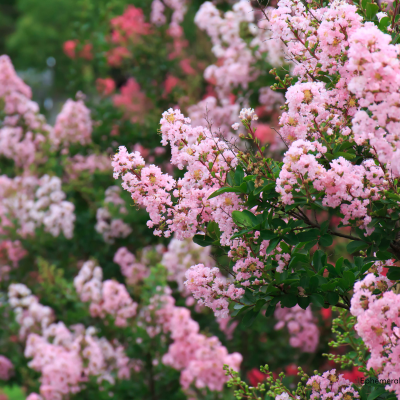
Crape Myrtle (Lagerstroemia spp.)
Crape myrtles are a hallmark of southern landscapes, thriving in North Carolina’s heat and humidity. These deciduous trees and shrubs bloom profusely from June through September with clusters of pink, purple, red, or white flowers. They are also low-maintenance, drought-tolerant, and available in various sizes, making them versatile for any space.
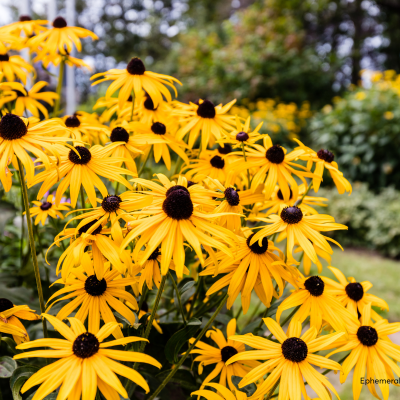
Black-Eyed Susan (Rudbeckia hirta)
Known for their cheerful golden-yellow petals and dark centers, black-eyed Susans bloom throughout the summer. These hardy perennials attract pollinators like bees and butterflies, making them a favorite for gardeners focused on supporting wildlife. They thrive in full sun and are perfect for borders, wildflower gardens, or mass plantings.
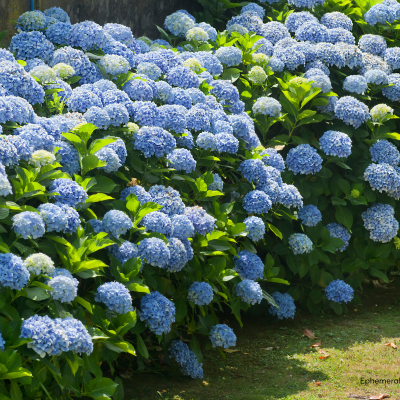
Hydrangea (Hydrangea spp.)
Hydrangeas bring elegance to any landscape with their large, showy blooms in shades of blue, pink, white, or purple. Varieties like Hydrangea macrophylla (bigleaf hydrangea) or Hydrangea paniculata (panicle hydrangea) are particularly suited for North Carolina gardens. With proper watering and partial shade, hydrangeas can bloom consistently throughout the summer.
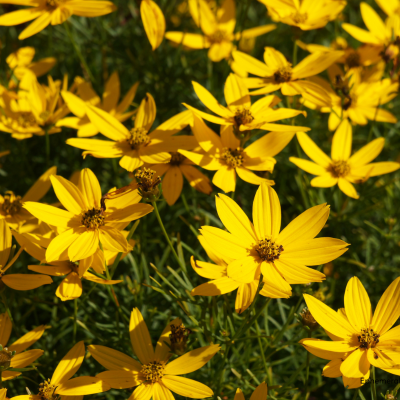
Coreopsis (Coreopsis spp.)
Coreopsis, also known as tickseed, is a hardy and vibrant perennial that produces daisy-like flowers in shades of yellow, orange, and red. Blooming from early summer through fall, these plants thrive in poor soils and tolerate drought conditions, making them perfect for North Carolina’s often unpredictable summer weather. They are excellent in pollinator gardens and mixed borders.
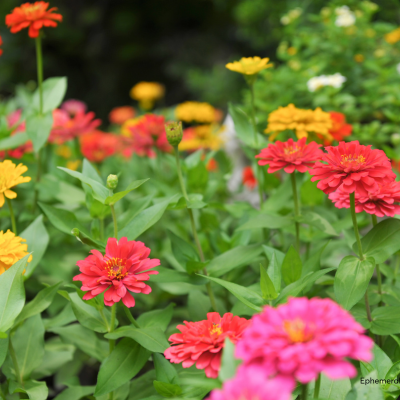
Zinnia (Zinnia spp.)
Zinnias are annuals that produce an explosion of bright, colorful blooms in nearly every shade imaginable. These easy-to-grow flowers bloom nonstop from late spring until frost, making them a favorite for summer gardens. Zinnias thrive in full sun, tolerate heat well, and are ideal for cutting gardens, adding a cheerful pop of color to any space.
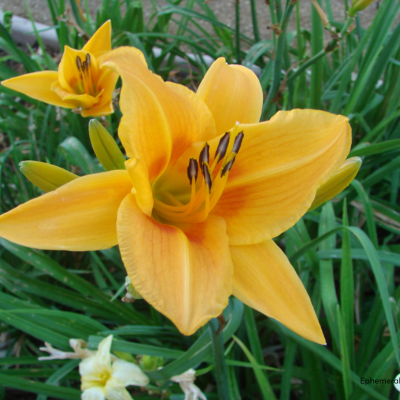
Daylily (Hemerocallis spp.)
Daylilies are beloved for their low-maintenance nature and wide variety of colors. Although each flower only lasts a day, the plants continuously produce blooms throughout the summer. They tolerate a range of conditions, including heat and drought, making them ideal for North Carolina’s summers. Daylilies are perfect for borders, mass plantings, or as accents in perennial gardens.
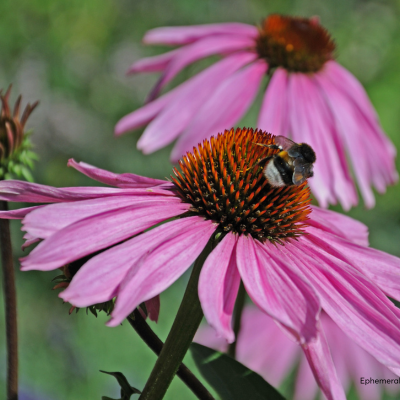
Purple Coneflower (Echinacea purpurea)
Purple coneflowers are a staple in North Carolina landscapes, producing showy pinkish-purple petals with a spiky orange center. Blooming from early summer into fall, these perennials are both beautiful and functional, attracting bees, butterflies, and birds. They thrive in full sun and tolerate poor soils, making them a reliable choice for low-maintenance gardens.
From vibrant zinnias to stately crape myrtles, North Carolina’s summer bloomers provide endless opportunities to create colorful and dynamic landscapes. These plants thrive in the region’s heat and humidity, offering beauty, resilience, and pollinator-friendly benefits all season long. Whether you’re designing a garden or enhancing an outdoor space, these seven plants are sure to impress.
Designing for Reliable Summer Color in the Triangle
North Carolina summers demand plants that can handle heat, humidity, and occasional drought while still delivering strong visual impact. Choosing reliable bloomers is only part of the equation - proper placement, soil preparation, irrigation, and long-term scale planning all determine how well those plants perform.
A balanced summer landscape layers trees, shrubs, and perennials to provide continuous color, structure, and seasonal interest without becoming overcrowded or high maintenance. Thoughtful spacing and variety selection help ensure blooms remain vibrant throughout the hottest months.
Our team works with homeowners across Raleigh, Durham, Chapel Hill, and the surrounding Triangle to design planting plans that thrive in summer conditions while maintaining a refined, cohesive look.
If you want stronger seasonal color without constant replanting or maintenance headaches, a professional landscape consultation can help you choose the right plants for your space.
👉 Schedule a Landscape Design Consultation

Frequently Asked Questions
Which summer bloomers perform best in Raleigh, Durham, and Chapel Hill?
Plants like Crape Myrtle, Hydrangea, Coreopsis, Daylily, and Purple Coneflower perform consistently well in the Triangle’s heat and humidity when properly placed and maintained.
How do I keep summer flowers blooming longer?
Proper watering, soil health, correct sun exposure, and occasional deadheading can extend bloom cycles. Plant selection also plays a major role in long-term summer performance.
Are summer bloomers high maintenance?
Not necessarily. Many summer perennials and shrubs are drought-tolerant and resilient once established. Choosing regionally appropriate varieties reduces ongoing care requirements.
Can summer color work in small residential landscapes?
Yes. Compact varieties and layered planting strategies allow for strong color impact without overwhelming smaller yards. Proper spacing ensures plants mature gracefully.
Do summer bloomers attract pollinators?
Many options, including Black-Eyed Susan, Coreopsis, and Purple Coneflower, attract bees and butterflies, supporting local ecosystems while enhancing visual appeal.
How should summer bloomers be incorporated into an overall design?
They should complement evergreen structure and foundational plantings. Mixing long-blooming perennials with shrubs and ornamental trees helps maintain balance and visual interest throughout the season.
Is professional planning necessary for seasonal planting?
Professional design helps ensure plant combinations, spacing, and soil conditions support healthy growth and consistent color year after year.