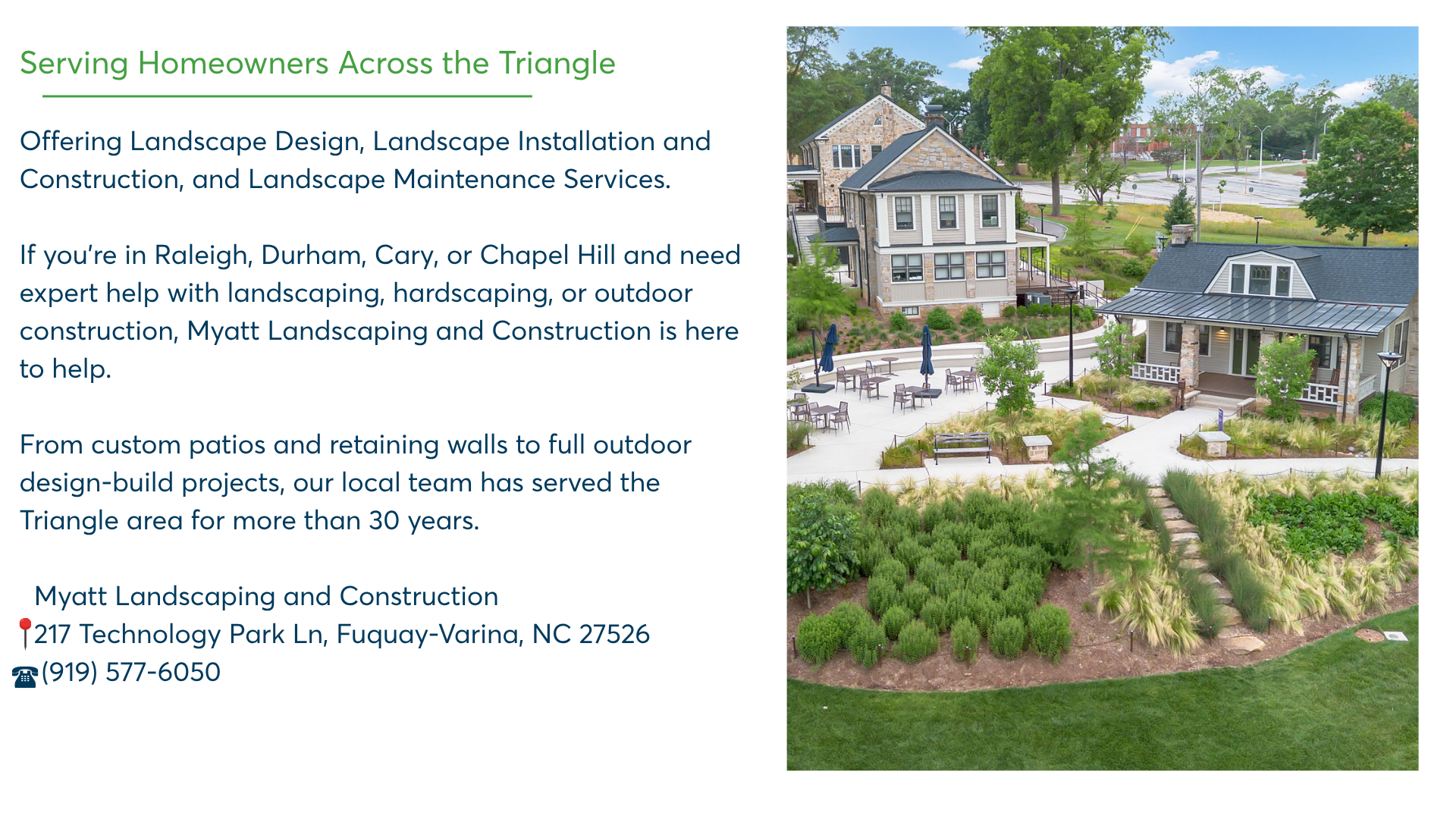
Annual flower beds are one of the most effective ways to elevate curb appeal and create atmosphere in a landscape. Think of them as the accessories of your yard. Just as a new jacket or tie can change the tone of an outfit, seasonal flowers can completely shift the mood of a property. Whether you want bright and energetic, soft and romantic, or bold and modern, annual rotations give you the flexibility to refresh your landscape throughout the year.
In North Carolina, especially around Raleigh, we typically change annual beds twice a year to align with warm-season and cool-season growing cycles. This rotation ensures continuous color and peak performance despite temperature swings.
Spring and Summer Rotation
Warm-season annuals are installed after the danger of frost has passed, usually in April. These plants thrive in heat and humidity and carry color through the long summer months into early fall.
Popular selections include:
- Vinca
- Petunias
- Angelonia
- Begonias
- Lantana
- Caladium for shaded areas
- Sweet potato vine for trailing texture
These combinations allow us to play with vibrant palettes such as hot pink and lime green, deep purple with chartreuse, or bold red paired with crisp white. Texture also plays a major role. Upright bloomers combined with trailing spillers and contrasting foliage create depth and movement.
Summer annuals bring energy. They frame entryways, soften signage, highlight monuments, and create that polished first impression that homeowners and visitors immediately notice.
Fall and Winter Rotation
As temperatures cool in October and November, we transition to hardy cool-season annuals that tolerate frost and provide color through winter and early spring.
Common choices include:
- Pansies and violas
- Snapdragons
- Dianthus
- Ornamental cabbage and kale
- Dusty miller
- Parsley or other textural fillers
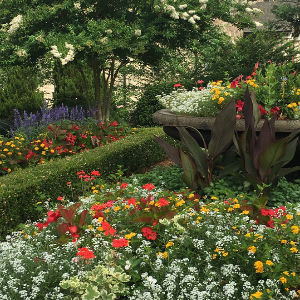
This rotation often leans into rich jewel tones, deep purples, bright yellows, and layered greens. Ornamental cabbage adds structure, while pansies provide dependable blooms even in cold snaps.
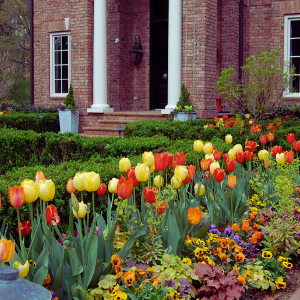
In late winter, we can also layer spring bulbs directly into annual beds to create an early burst of color before winter annuals are rotated out for summer. Tulips and hyacinths are planted in the fall beneath pansies and other cool-season plantings. As temperatures begin to warm, varieties such as Tulipa and Hyacinthus orientalis emerge through the winter color, adding height, fragrance, and vibrant pops of pink, purple, yellow, or white.
This layered planting strategy keeps beds looking dynamic during seasonal transitions. Rather than waiting for winter annuals to decline before installing summer flowers, bulbs provide a dramatic spring show that bridges the gap. The result is a continuous sequence of color, ensuring your landscape never feels dormant or in between rotations.
This seasonal shift keeps properties from looking tired or dormant during winter months. Instead of a lull in visual interest, you get a fresh color burst when most landscapes are quiet.
Annual Planters
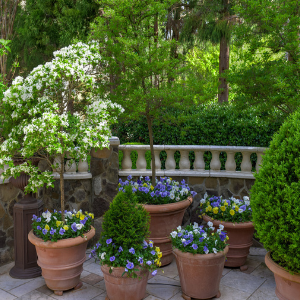
While flower beds create sweeping color across a property, annual planters add impact at eye level. Containers at entryways, patios, clubhouses, and storefronts act as focal points and instantly elevate the space. They are perfect for highlighting bold color combinations, unique textures, and trailing elements that soften hardscapes.
Just like beds, planters are rotated seasonally in North Carolina to ensure continuous performance and fresh design. Because they are self-contained, they also allow for even more creativity and flexibility. Think of them as statement pieces that can change the entire tone of a space from vibrant and welcoming to refined and elegant.
When thoughtfully designed and maintained, annual planters provide concentrated bursts of color exactly where people look first.
This flexibility is what makes them so powerful. They are design elements you can adjust as trends, tastes, or branding evolves.
Why Annual Beds Matter
Annual flower beds are one of the fastest ways to increase curb appeal. They signal care, attention to detail, and pride in ownership. For commercial properties, they elevate brand perception. For residential properties, they enhance welcome and warmth.
Beyond aesthetics, rotating annuals allows you to refresh the overall vibe of your landscape. Want a coastal feel? Lean into blues, whites, and silvers. Prefer something dramatic? Use deep burgundy, lime, and bold contrast. Because annuals are replaced seasonally, you are not locked into one look.
At Myatt Landscaping and Construction, we approach annual rotations as intentional design moments, not just plant swaps. Through thoughtful color combinations, texture layering, and seasonal timing, we ensure your landscape delivers continuous impact all year long. If you are ready to refresh your curb appeal and transform the atmosphere of your property, our team would love to help design your next seasonal display.
Seasonal Color Rotations in Central North Carolina
In Raleigh and throughout the Triangle, seasonal color is one of the most powerful tools for elevating curb appeal. Because our climate allows for both warm-season and cool-season plantings, homeowners and commercial property managers can refresh annual beds twice per year - creating continuous visual impact from spring through winter.
Strategic rotations with heat-tolerant summer annuals and frost-hardy winter varieties ensure beds never feel tired or dormant. Layering techniques - such as planting spring bulbs beneath cool-season flowers - bridge seasonal transitions and deliver uninterrupted color performance.
From residential entryways to commercial monuments and clubhouse planters, thoughtfully designed annual rotations signal care, professionalism, and pride in ownership.
👉 Plan Your Next Seasonal Color Installation
Serving Homeowners Across the Triangle
If you’re in Raleigh, Durham, or Chapel Hill and need expert help with landscaping, hardscaping, or outdoor construction, Myatt Landscaping and Construction is here to help.
From custom patios and retaining walls to full outdoor design-build projects, our local team has served the Triangle area for more than 25 years.
📍 Myatt Landscaping and Construction
217 Technology Park Ln, Fuquay-Varina, NC 27526
☎ (919) 577-6050
Come Visit Us!
Frequently Asked Questions
How often should annual flower beds be changed in North Carolina?
In Central North Carolina, annual beds are typically rotated twice per year - once in spring for warm-season flowers and again in fall for cool-season varieties.
When are summer annuals installed?
Warm-season annuals are usually installed in April after the danger of frost has passed and will carry color through summer into early fall.
What flowers perform well in summer heat?
Vinca, petunias, angelonia, begonias, lantana, caladium (for shade), and sweet potato vine are popular heat-tolerant options.
What plants provide winter color?
Pansies, violas, snapdragons, dianthus, ornamental cabbage, kale, and dusty miller tolerate frost and maintain visual interest through winter.
Can spring bulbs be layered into annual beds?
Yes. Tulips and hyacinths are planted in fall beneath cool-season annuals, emerging in late winter or early spring to create a dramatic seasonal bridge.
Are annual planters worth the investment?
Seasonal containers create concentrated focal points at entryways and patios, offering flexibility and immediate visual impact with each rotation.