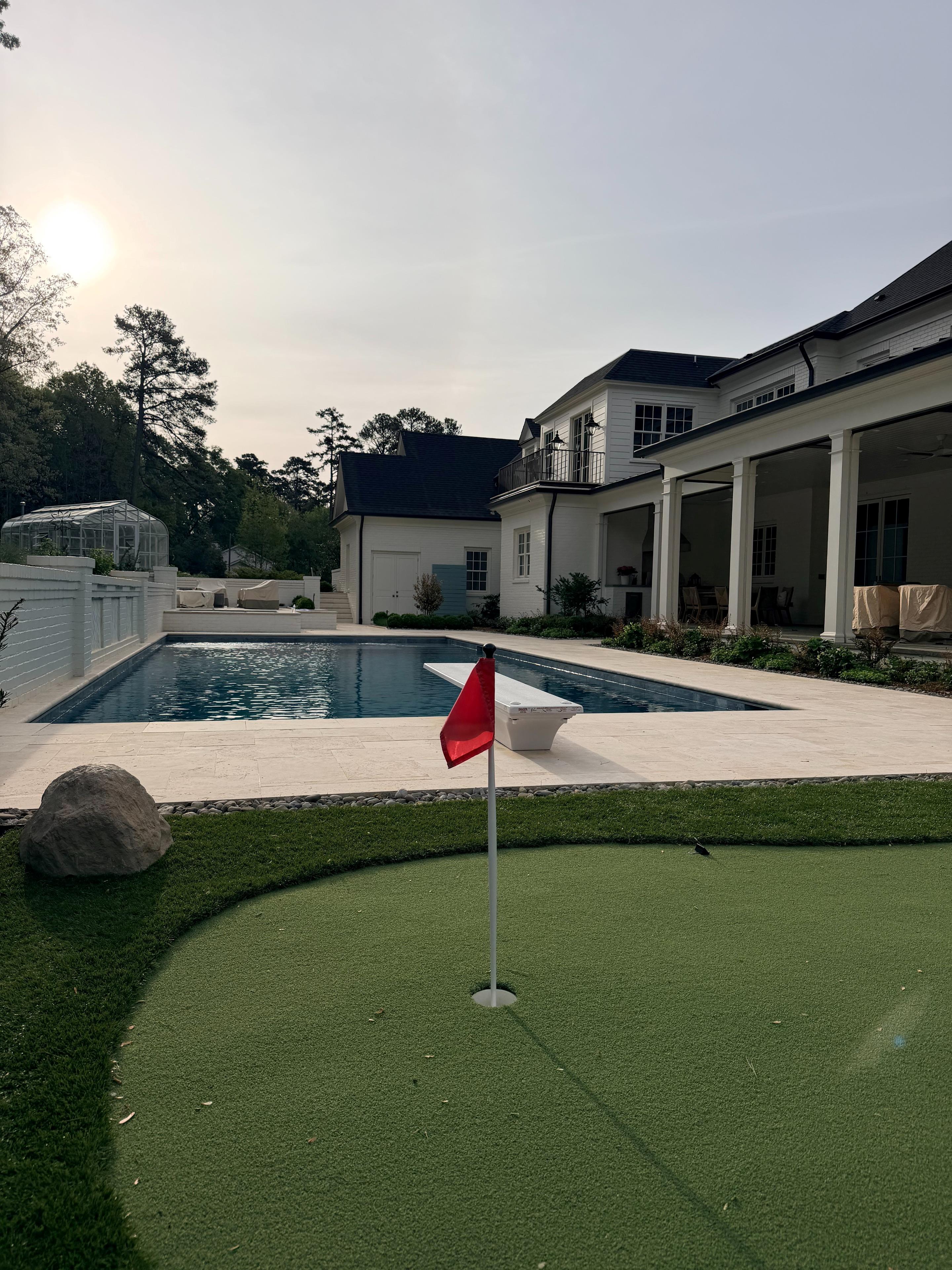
Artificial turf has come a long way in the last decade. What once looked overly plastic and clearly fake has evolved into a realistic, durable, and low-maintenance alternative to natural turf. Both homeowners and commercial property managers are choosing artificial grass for its appearance, practicality, and long-term predictability. Before deciding if synthetic turf is right for your property, it helps to understand its benefits, drawbacks, and the type of upkeep it requires.
Why People Are Choosing Artificial Turf
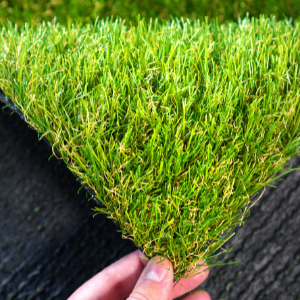
Artificial grass has become popular for both residential and commercial landscapes for several reasons.
Consistent appearance. One of the biggest appeals is that it stays green year-round. In areas with temperature swings, drought, shade challenges, or heavy foot traffic, natural turf often struggles. Artificial turf offers a consistently lush look regardless of weather or soil conditions.
Reduced water use. Many homeowners and commercial clients choose synthetic turf to cut down on irrigation costs. With rising water restrictions and environmental concerns, eliminating the need for frequent watering is a significant benefit.
Durability in high traffic areas. Parks, playgrounds, pet facilities, and commercial campuses rely on artificial turf because it holds up well under constant use. It resists wear, bare patches, and mud, which makes it ideal for spaces that must remain clean and attractive.
Low ongoing maintenance. While artificial grass is not maintenance free, it requires far less weekly care compared to natural turf. This makes it appealing for busy property owners or large commercial landscapes that would otherwise require significant time and labor.
Pros and Cons of Artificial Grass
Before committing, it is important to weigh the benefits and drawbacks.
Pros
- Always green with no brown spots or seasonal dormancy
- No mowing, fertilizing, aeration, or seeding
- Great for shady areas where grass will not grow
- Durable for kids, pets, and heavy foot traffic
- Reduces water usage
- Eliminates muddy areas and soil erosion
Cons
- Higher upfront installation cost compared to natural lawn
- Surface can get hot in direct summer sun
- Does not support natural soil ecology under the turf
- Needs occasional cleaning to remove debris and odors
- Some products may fade over time, depending on quality
- Can be difficult to repair if damaged
- Artificial grass works best in spaces where aesthetics, durability, and reduced maintenance matter more than maintaining a natural ecosystem.
What Maintenance Looks Like
Even though artificial turf is lower maintenance than real grass, it still requires routine care to stay clean and attractive.
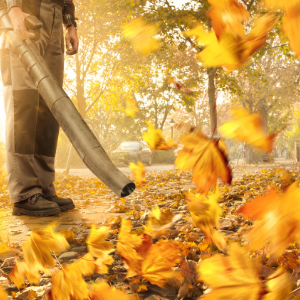
Regular debris removal. Leaves, sticks, and pollen should be blown or brushed off the surface. This prevents matting and keeps the turf looking fresh.
Brushing the fibers. Periodically using a stiff broom or power broom helps lift flattened blades and maintain a natural look.
Rinsing as needed. Rain usually keeps turf clean, but during dry periods it helps to lightly rinse it to remove dust or pet residues.
Pet maintenance. For dog owners, enzymes or turf-friendly cleaners can be used to eliminate odors. Pet waste should be removed promptly.
Annual inspection. Checking seams, infill levels, and edges once a year helps maintain long-term performance.
Artificial grass can be a great option when installed in the right setting and maintained properly.