An ephemeral plant is one with a short, seasonal life cycle. It emerges, blooms, and sets seed quickly—often in early spring—before going dormant. These plants take advantage of ideal conditions, like sunlight before trees leaf out, and disappear for the rest of the year, returning annually.
Here are five beautiful ephemeral plants native to central North Carolina that are perfect for adding seasonal charm to your landscape:
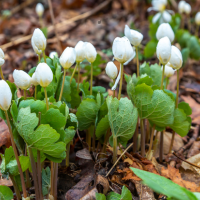
Bloodroot (Sanguinaria canadensis)
One of the first wildflowers to bloom in early spring, Bloodroot produces delicate white flowers with golden centers. Its unique, lobed leaves unfurl after the blooms fade. Bloodroot thrives in moist, woodland settings and disappears back into dormancy by early summer.
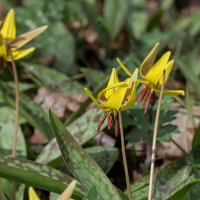
Trout Lily (Erythronium americanum)
Named for its mottled, trout-like leaves, this plant offers nodding yellow flowers in early spring. Trout Lily prefers rich, well-drained woodland soil and spreads slowly over time, creating beautiful colonies. It vanishes once temperatures rise, leaving only its striking foliage and blooms in early spring.
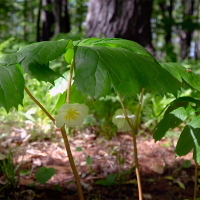
Mayapple (Podophyllum peltatum)
Mayapple forms umbrella-like leaves and produces small, hidden white flowers beneath the foliage in late spring. By early summer, it develops a small, apple-like fruit, though the plant retreats into dormancy shortly afterward. It thrives in shaded, woodland environments.
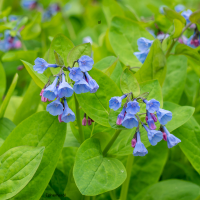
Virginia Bluebells (Mertensia virginica)
Known for their showy, bell-shaped blue blooms, Virginia Bluebells light up the landscape in mid-spring. They prefer moist, shaded areas and naturalize well in woodland gardens. After flowering, they fade into dormancy by early summer, making way for summer perennials.
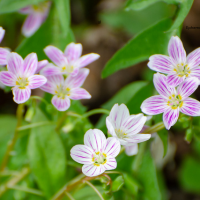
Spring Beauty (Claytonia virginica)
This low-growing, delicate plant produces clusters of pale pink or white flowers with darker pink veins. It thrives in woodland settings and open meadows, blooming in early spring. By late spring, both the flowers and slender leaves disappear, leaving no trace until the next year.
Designing with Native Ephemerals in Triangle Landscapes
Ephemeral plants add a quiet but powerful seasonal moment to North Carolina landscapes. Emerging in early spring before tree canopies fully leaf out, these native woodland plants bring color and texture when most gardens are just waking up.
Because ephemerals retreat into dormancy by early summer, they must be thoughtfully layered with later-season perennials and structural plantings. Proper placement in shaded, well-drained areas ensures they thrive without disrupting the overall design once they fade.
Our team works with homeowners throughout Raleigh, Durham, Chapel Hill, and the surrounding Triangle to incorporate native ephemerals into woodland gardens and layered planting plans that feel natural, balanced, and seasonally dynamic.
If you’re interested in adding early-season native color to your landscape, a professional planting plan can help integrate ephemerals seamlessly into your existing beds.
👉 Schedule a Native Plant Design Consultation
Serving Homeowners Across the Triangle
If you’re in Raleigh, Durham, or Chapel Hill and need expert help with landscaping, hardscaping, or outdoor construction, Myatt Landscaping and Construction is here to help.
From custom patios and retaining walls to full outdoor design-build projects, our local team has served the Triangle area for more than 25 years.
📍 Myatt Landscaping and Construction
217 Technology Park Ln, Fuquay-Varina, NC 27526
☎ (919) 577-6050
Come Visit Us!
Frequently Asked Questions
What is an ephemeral plant?
An ephemeral plant has a short life cycle, emerging and blooming quickly in early spring before going dormant for the remainder of the growing season.
Why do ephemerals bloom in early spring?
They take advantage of increased sunlight before tree canopies fully leaf out, allowing them to photosynthesize and set seed before summer shade intensifies.
Are ephemeral plants good for Raleigh and Durham landscapes?
Yes. Many native ephemerals thrive in the moist, shaded woodland conditions common throughout the Triangle region.
Will my garden look empty after ephemerals go dormant?
Not if properly designed. Ephemerals should be layered with later-season perennials and evergreen structure so the space remains visually balanced throughout the year.
Do ephemerals require high maintenance?
Generally no. When planted in appropriate conditions with good soil and natural moisture, native ephemerals establish and return annually with minimal intervention.
Where should ephemerals be planted?
They perform best in woodland gardens, shaded beds, and areas with rich, well-drained soil that mimic their natural habitat.