Fragrance is one of the most powerful yet often overlooked elements in a landscape. In North Carolina, where long growing seasons and mild winters give us a wide plant palette, incorporating fragrant shrubs can transform an ordinary yard into an immersive outdoor experience. Whether you are designing for a residential garden or enhancing a commercial property, selecting the right shrubs for scent adds another layer of value that goes beyond visual appeal.
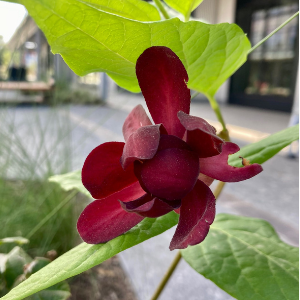
Sweetshrub, botanically known as Calycanthus floridus- Is one of the most dependable fragrant shrubs for North Carolina landscapes. This native plant thrives in a range of conditions, from partial shade to full sun, and produces deep burgundy flowers in spring. The fragrance is often described as a mix of strawberry and spice, making it a standout in woodland edges or near patios where the scent can be appreciated up close. Its adaptability and native status also make it a strong ecological choice.
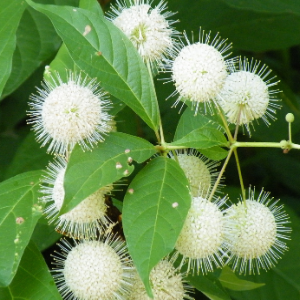
Cephalanthus occidentalis, known as Buttonbush- For a unique native option that brings both fragrance and ecological value, consider this shrub. Buttonbush thrives in moist to wet soils, making it an excellent solution for low-lying areas, rain gardens, or pond edges common across North Carolina landscapes. Its distinctive, spherical white flowers appear in early summer and emit a light, sweet fragrance that attracts a wide range of pollinators, including bees and butterflies. While the scent is more subtle than some traditional fragrant shrubs, its ornamental interest and wildlife benefits make it a standout addition, especially in naturalized or environmentally focused designs.
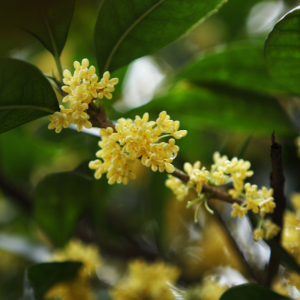
Osmanthus fragrans also known as Tea Olive-This shrub is a staple in many North Carolina landscapes for good reason. Its small, inconspicuous flowers may not draw attention visually, but the fragrance is exceptional. Often compared to apricot or peach, the scent can carry across an entire yard, especially in fall when it typically blooms most heavily. Osmanthus is durable, evergreen, and highly adaptable, performing well in both sun and partial shade. It is an excellent choice for screening, hedging, or anchoring foundation plantings where fragrance can drift toward entryways and outdoor living spaces.
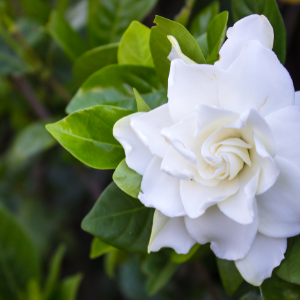
Gardenias- These remain a Southern classic for a reason. Gardenia jasminoides offers glossy evergreen foliage paired with creamy white blooms that release a rich, unmistakable fragrance in late spring and summer. While they can require a bit more attention, especially regarding soil pH and drainage, the payoff is significant. Placing gardenias near outdoor living spaces or walkways ensures their fragrance becomes part of the daily experience.
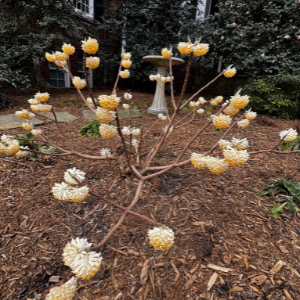
Edgeworthia chrysantha also known as Paperbush- This is an outstanding choice. Its clusters of yellow flowers emerge before the leaves and carry a soft, sweet scent that signals the transition out of winter. Paperbush performs best in partial shade and well-drained soils, making it ideal for protected garden settings.
When designing with fragrant shrubs, placement is just as important as plant selection. Situate these plants near entryways, patios, walkways, and windows that are frequently opened. Fragrance is most impactful when it can be experienced in passing or when people naturally gather. Layering bloom times is also key. By combining early, mid, and late-season bloomers, you can ensure your landscape offers fragrance from late winter through summer.
Incorporating fragrant shrubs into your North Carolina landscape is not just about adding scent. It is about creating a sensory experience that connects people to the space in a deeper way. With thoughtful selection and placement, these shrubs can elevate the overall design, enhance property value, and make outdoor environments more enjoyable throughout the year.