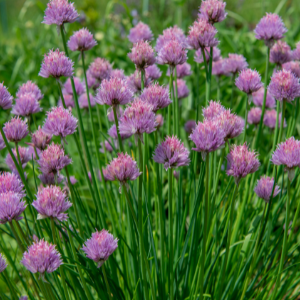
For centuries, kitchen gardens have been a practical and beautiful part of the landscape. Traditionally located just steps from the home, a kitchen garden is designed to grow herbs, vegetables, and edible plants that can be easily harvested and used in everyday cooking. While the concept is old, kitchen gardens are becoming popular again as homeowners look for ways to connect with their food and make their landscapes more productive.
A kitchen garden is typically smaller and more organized than a traditional vegetable garden. Instead of long rows in a distant corner of the yard, these gardens are thoughtfully designed spaces that combine edible plants with attractive layout and structure. They often include raised beds, defined paths, decorative borders, and even seating areas.
What Is a Kitchen Garden?
A kitchen garden is an edible garden placed conveniently near the house so ingredients can be harvested quickly while cooking. The goal is accessibility and frequent use. Fresh herbs, greens, and vegetables can be picked right before they are needed, making meals more flavorful and reducing trips to the grocery store.
These gardens are also designed to be visually appealing. Many kitchen gardens are arranged in geometric patterns, framed with stone, brick, or wood borders, and integrated with ornamental plants. This allows them to serve as both a productive garden and a focal point in the landscape.
Why Kitchen Gardens Are Useful
One of the biggest benefits of a kitchen garden is convenience. When herbs and vegetables are located near the kitchen door, they are much more likely to be used. Snipping fresh basil, rosemary, or parsley becomes part of everyday cooking rather than a special trip to the garden.
Kitchen gardens also encourage healthier eating and greater awareness of where food comes from. Growing even a small portion of your own produce can make meals more satisfying and help families connect with the seasons.
From a landscape perspective, kitchen gardens add diversity and interest. Edible plants often have beautiful textures, colors, and flowers. Kale, chard, and lettuce can be just as visually striking as traditional ornamental plants.
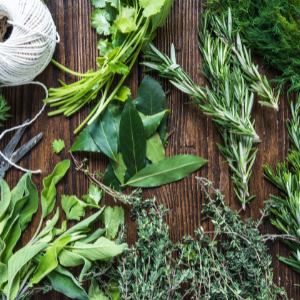
What to Grow in a Kitchen Garden
The best plants for a kitchen garden are those that are used frequently and can be harvested regularly.
Herbs are often the backbone of a kitchen garden. Basil, thyme, rosemary, oregano, chives, parsley, and sage are all excellent choices that provide continuous harvest throughout the growing season.
Leafy greens are another great addition. Lettuce, spinach, arugula, and kale grow quickly and can be harvested multiple times. These crops are especially rewarding because they can be picked fresh for salads and meals.
Many kitchen gardens also include compact vegetables such as cherry tomatoes, peppers, green onions, and bush beans. In cooler seasons, crops like radishes, carrots, and Swiss chard perform well.
Edible flowers such as nasturtiums and calendula can also be incorporated to add color and attract pollinators.
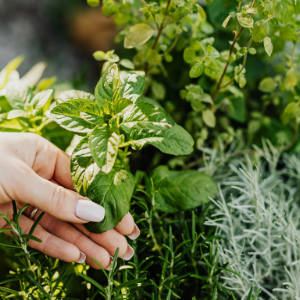
Choosing the Right Location
Placement is one of the most important factors in a successful kitchen garden. Most vegetables and herbs require at least six hours of sunlight per day, so selecting a sunny location is essential.
Convenience is equally important. A kitchen garden works best when it is close to the house, ideally near the kitchen door or along a frequently used walkway. If the garden is too far away, it becomes less likely that herbs and vegetables will be harvested regularly.
Good drainage and easy access to water are also important considerations. Raised beds are often used in kitchen gardens because they improve soil quality, reduce compaction, and make planting and harvesting easier.
A Garden That Feeds Both Body and Landscape
Kitchen gardens combine beauty and productivity in a way that few other landscape features can. They provide fresh ingredients for meals, encourage time outdoors, and add visual interest to the garden.
With thoughtful design and proper placement, a kitchen garden can become one of the most enjoyable and useful spaces in the landscape, offering fresh flavors and seasonal beauty just outside the kitchen door.
Here are five herbs that do really well in a North Carolina kitchen garden, especially with our hot summers, mild springs, and long growing season. These are useful, hardy, and productive for both cooking and around-the-house uses.
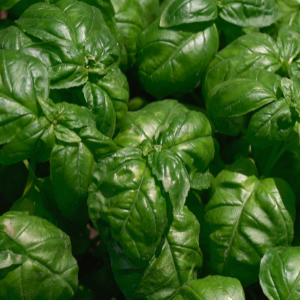
1. Basil
Why it works in NC:
Loves heat and humidity. Grows fast from late spring through early fall.
3 ways to use it:
Make fresh pesto for pasta, sandwiches, or grilled vegetables
Add leaves to tomato salads and homemade pizza
Freeze chopped basil in olive oil cubes for winter cooking
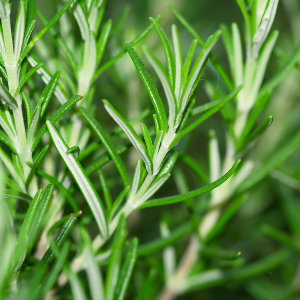
2. Rosemary
Why it works in NC:
Handles drought and heat well once established. Can even become a small evergreen shrub in many parts of NC.
3 ways to use it:
Flavor roasted potatoes, chicken, and pork
Use stems as skewers for grilling
Dry bundles indoors for fragrant kitchen decor or sachets
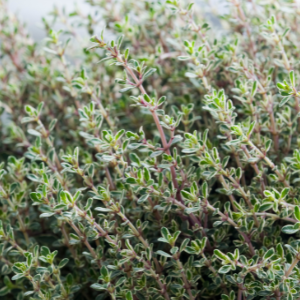
3. Thyme
Why it works in NC:
Tolerates heat, poor soil, and dry conditions. Great tucked into raised beds or borders.
3 ways to use it:
Season soups, beans, and roasted vegetables
Add to compound butter for steaks or bread
Use fresh sprigs in homemade simmer pots
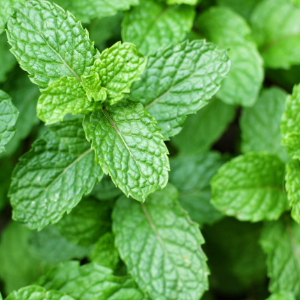
4. Mint
Why it works in NC:
Grows aggressively and loves NC moisture. Best grown in containers unless you want it everywhere.
3 ways to use it:
Make fresh tea or infused water
Add to cocktails like mojitos or mint juleps
Chop into yogurt sauces or summer fruit salads
5. Chives
Why it works in NC:
Easy perennial herb that comes back every year and tolerates changing weather well.
3 ways to use it:
Sprinkle fresh over baked potatoes and eggs
Mix into dips, cream cheese, or butter
Let flowers bloom to attract pollinators and garnish salads