A poolside landscape should feel clean, inviting, and easy to maintain. While there are many beautiful plants that thrive around pools, there are just as many that cause headaches for homeowners. From excessive debris to aggressive roots, the wrong plant choices can lead to clogged filters, damaged hardscapes, and constant cleanup. Before planting near your pool, take time to understand which species are best kept at a distance. Below is a list of plants you should avoid around pools and the reasons why they cause problems.
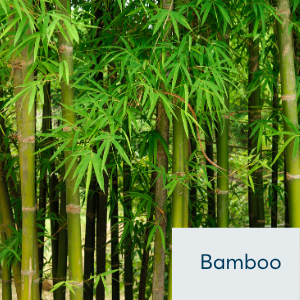
- Bamboo
Bamboo spreads rapidly through underground rhizomes and can quickly invade surrounding areas. Near a pool, this aggressive growth can lift concrete, damage decking, and push into plumbing lines. Even clumping varieties require tight management. Most landscapes simply cannot keep up with its growth habit in a pool environment.
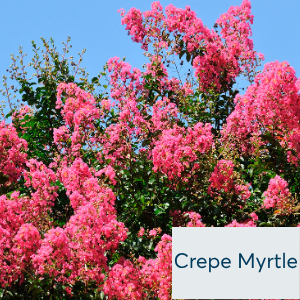
2. Crepe Myrtle
Crepe Myrtles are beautiful flowering trees, but they shed almost constantly. In summer they drop flowers. In fall they drop leaves. In winter they shed bark. Around pools, this steady debris ends up in skimmers, pumps, and filters, which increases maintenance. The tiny petals also stick to wet surfaces and can be messy for swimmers.
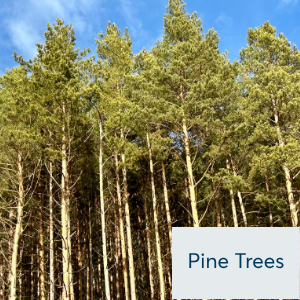
3. Pine Trees
Pine needles are long, thin, and incredibly difficult to remove from pool filters and cleaning systems. They easily blow into the water and can clog skimmers. Pine cones, sap, and heavy shade also make them less than ideal for poolside areas.
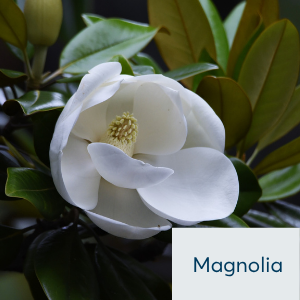
4. Magnolia Trees
Magnolias produce large leaves that do not break down easily and are hard to vacuum out of a pool. Many varieties also drop seed pods that create additional cleanup. Their dense canopy can reduce sunlight around the pool area, which may not be ideal if you want a bright, open space.
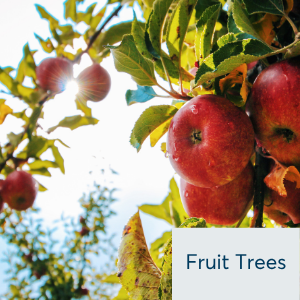
5. Fruit Trees
Apple, pear, fig, persimmon, and similar fruiting trees should always be kept away from pools. Ripened fruit attracts bees and insects, creates sticky messes on hardscapes, and ends up floating in the water. Fruit drop also increases slip hazards around the pool deck.
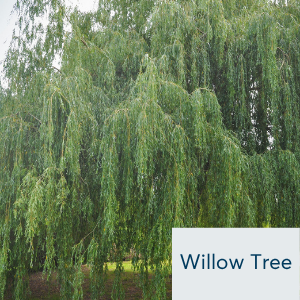
6. Willow Trees
Willows have extremely thirsty, aggressive root systems that seek out water sources. Planting them near pools can result in root intrusion around plumbing, liners, and irrigation systems. Their constant leaf drop also adds to the workload of pool maintenance.
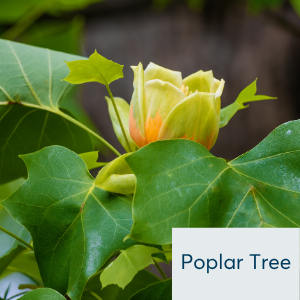
7. Cottonwood and Poplar Trees
These trees release cottony fluff that blows into pools, clogs filters, and sticks to wet surfaces. They are also fast-growing, weak-wooded trees prone to dropping branches during storms.
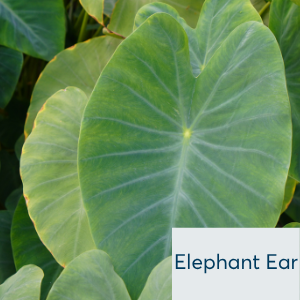
8. Deciduous Large Leaf Tropical Plants
Elephant ears, banana plants, and similar topicals drop large leaves during weather changes. When they die back, they leave behind soggy piles of debris that easily blow into the pool. Some also spread aggressively through underground runners.
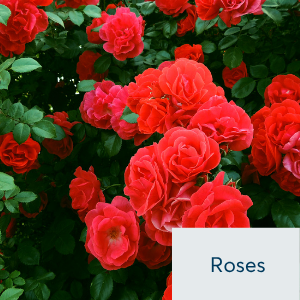
9. Roses and Thorny Shrubs
Although beautiful, roses and other thorny plants are not pool friendly. They pose scratch hazards, shed petals, and attract pests such as Japanese beetles. No one wants thorns or beetles near swimmers.
Creating the perfect poolside landscape means choosing plants that bring beauty without the mess. By avoiding the species above and selecting cleaner, lower-maintenance options, you can enjoy a more relaxing and hassle free outdoor environment.
Poolside Planting in the Triangle Requires Careful Planning
Poolside landscapes need to balance beauty with function. The wrong plant choices can lead to constant debris, clogged filters, damaged decking, and unnecessary maintenance. Around pools, aggressive roots, heavy leaf drop, and messy blooms create problems that are difficult to manage long term.
A successful pool landscape starts with understanding how plants behave as they mature. Growth habits, root systems, shade patterns, and seasonal debris all play a role in whether a pool area stays clean and inviting or becomes a constant source of frustration.
Our team designs poolside landscapes for homeowners throughout Raleigh, Durham, Chapel Hill, and the surrounding Triangle. We focus on plant selection, spacing, and layout to create pool environments that stay cleaner, safer, and easier to maintain.
If you’re planning a new pool landscape or reworking an existing one, a professional evaluation can help you avoid costly mistakes and enjoy your outdoor space with less upkeep.
👉 Schedule a Poolside Landscape Consultation
Serving Homeowners Across the Triangle
If you’re in Raleigh, Durham, or Chapel Hill and need expert help with landscaping, hardscaping, or outdoor construction, Myatt Landscaping and Construction is here to help.
From custom patios and retaining walls to full outdoor design-build projects, our local team has served the Triangle area for more than 25 years.
📍 Myatt Landscaping and Construction
217 Technology Park Ln, Fuquay-Varina, NC 27526
☎ (919) 577-6050
Come Visit Us!
Frequently Asked Questions
Why do some plants cause problems around pools?
Plants with heavy leaf drop, flowers, fruit, or aggressive root systems create excess debris and can interfere with pool plumbing, filters, and hardscapes. Over time, these issues increase maintenance and repair costs.
Are trees always a bad idea near pools?
Not necessarily. Trees with manageable root systems and minimal debris can work well if properly spaced. The key is selecting species that won’t shed excessively or compete aggressively for water.
How far should trees be planted from pools in the Triangle?
Spacing depends on the mature size and root structure of the tree. In general, larger trees should be planted well beyond the pool deck to prevent root damage and reduce leaf and flower debris.
Do fruit trees attract pests near pool areas?
Yes. Fruit trees attract bees, insects, and wildlife, and fallen fruit creates sticky surfaces and slip hazards. For safety and cleanliness, fruiting trees are best planted away from pool environments.
What types of plants work best around pools?
Low-debris, non-thorny plants with controlled growth habits perform best around pools. Evergreen shrubs, ornamental grasses with minimal shedding, and select perennials can add beauty without constant cleanup.
Can a professional landscape plan reduce pool maintenance?
Yes. A professional plan considers plant behavior, prevailing winds, sun exposure, and drainage. Proper design reduces debris, improves safety, and helps keep pool systems functioning efficiently.