Walls, fences, and large vertical structures are common features in both residential and commercial landscapes. While they serve important purposes such as privacy, retaining soil, or defining spaces, they can sometimes feel stark or overpowering in the landscape. One of the most effective ways to soften these hard surfaces is by incorporating vines.
Vines bring movement, texture, and seasonal interest to otherwise plain structures. When selected carefully, they can transform a blank wall into a living element of the landscape while also supporting pollinators and wildlife.
Why Consider Vines?
Using vines in the landscape offers several advantages. First, they help visually break up large surfaces such as retaining walls, brick facades, or tall fences. This makes spaces feel more natural and integrated into the surrounding landscape.
Vines can also provide shade and insulation. Plants growing on pergolas, trellises, or arbors can reduce heat and create comfortable outdoor spaces. Some vines also offer seasonal interest through flowers, fall color, or berries that attract birds.
In commercial landscapes, vines can help soften large buildings, parking structures, or screening walls while requiring relatively little ground space compared to shrubs.
Vines We Recommend
Several vines perform well in North Carolina landscapes and provide beauty without becoming overly aggressive.
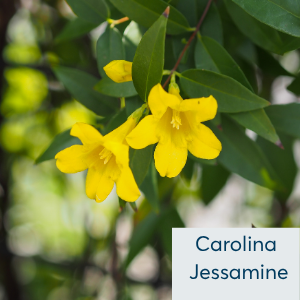
Carolina Jessamine (Gelsemium sempervirens) is a favorite native vine that produces bright yellow flowers in late winter and early spring. It grows well on trellises and fences and provides early-season nectar for pollinators.
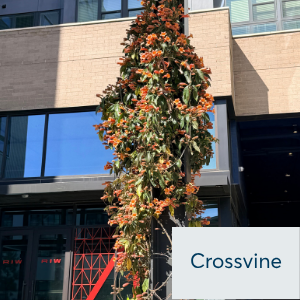
Crossvine (Bignonia capreolata) is another excellent native option. It produces striking orange or reddish trumpet-shaped flowers in early spring and is attractive to hummingbirds. Crossvine climbs well on structures and offers attractive evergreen or semi-evergreen foliage.
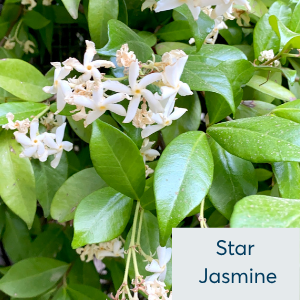
Star Jasmine (Trachelospermum jasminoides) is valued for its glossy evergreen leaves and highly fragrant white flowers in late spring. It works well on trellises or walls in protected areas and provides year-round coverage.
Coral Honeysuckle (Lonicera sempervirens) is a well-behaved native vine that produces clusters of tubular red, orange, or coral flowers from spring through summer. It is highly attractive to hummingbirds and pollinators, and unlike some invasive honeysuckles, it remains manageable and landscape-friendly. It performs well on trellises, arbors, and fences in full sun to partial shade.
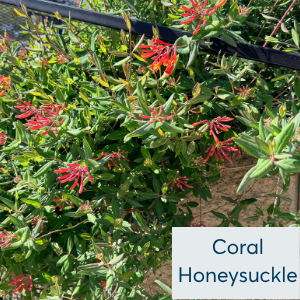
Fig Vine (Ficus pumila) is a fast-growing evergreen vine that excels at covering walls and vertical surfaces with dense green foliage. While it is not grown primarily for its flowers, it creates a lush backdrop and softens hardscape features beautifully. It performs best in partial to full sun and should be used where its vigorous growth can be managed with occasional pruning.
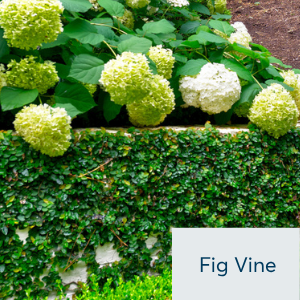
Confederate Jasmine and evergreen clematis are also popular for adding fragrance and soft texture to vertical structures.
Vines We Approach with Caution
While vines can be beautiful, some species can quickly become invasive or difficult to manage.
English Ivy (Hedera helix) is commonly seen climbing walls and trees, but it can spread aggressively and is difficult to control once established. It can also damage mortar and trap moisture against structures.
Wisteria, particularly non-native varieties, is another vine that requires caution. While its cascading flowers are beautiful, it grows extremely vigorously and can overwhelm structures, trees, and nearby plants if not carefully maintained.
Trumpet vine (Campsis radicans), although native, can also spread aggressively through underground runners and may quickly take over planting areas.
These plants are not always inappropriate, but they require careful placement and consistent maintenance.
Important Considerations
Before planting vines, it is important to think about how they will grow and attach to structures. Some vines climb using tendrils, while others attach with adhesive pads or aerial roots. These attachment methods can affect surfaces differently.
Many vines benefit from support structures such as trellises, wires, or arbors rather than attaching directly to walls. This approach protects the building surface and allows for easier pruning and maintenance.
It is also important to consider long-term maintenance. Vines grow quickly and often require periodic pruning to keep them from covering windows, gutters, or nearby trees.
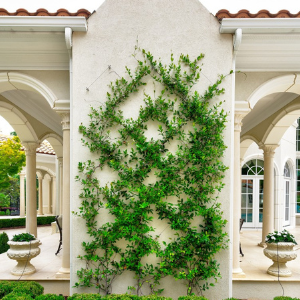
Carolina Jessamine on a wire trellis
A Living Design Element
When thoughtfully selected and properly maintained, vines can transform rigid structures into beautiful living features. They soften hard edges, introduce seasonal interest, and help landscapes feel more connected to nature.
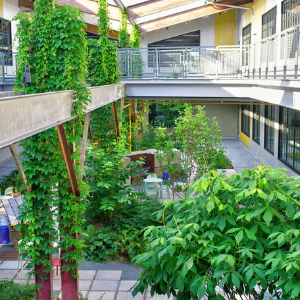
Virginia Creeper on I beams at Raleigh Iron Works
Using Vines to Soften Walls, Fences, and Structures
In landscapes across Raleigh, Durham, and the Triangle, hard surfaces like retaining walls, fences, and building facades are necessary - but they don’t have to feel harsh. Incorporating vines is one of the most effective ways to soften these vertical elements and create a more natural, integrated environment.
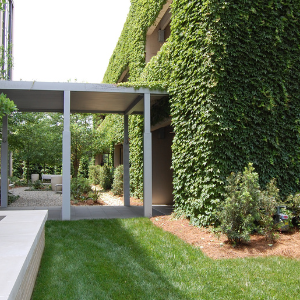
Boston Ivy on a Raleigh Parking Deck
Well-chosen vines add texture, movement, seasonal color, and even ecological value. They can transform blank surfaces into living design features while supporting pollinators and reducing visual impact in both residential and commercial landscapes.
👉 Incorporate Vertical Planting Into Your Landscape
Serving Homeowners Across the Triangle
If you’re in Raleigh, Durham, or Chapel Hill and need expert help with landscaping, hardscaping, or outdoor construction, Myatt Landscaping and Construction is here to help.
From custom patios and retaining walls to full outdoor design-build projects, our local team has served the Triangle area for more than 25 years.
📍 Myatt Landscaping and Construction
217 Technology Park Ln, Fuquay-Varina, NC 27526
☎ (919) 577-6050
Come Visit Us!
Frequently Asked Questions
Why use vines in landscape design?
Vines soften large vertical surfaces, add seasonal interest, and help integrate structures into the surrounding landscape.
What vines grow well in North Carolina?
Carolina Jessamine, Crossvine, Star Jasmine, and evergreen clematis perform well and offer flowers, fragrance, and year-round interest.
Do vines help with shade and cooling?
Yes. Vines growing on pergolas, trellises, or walls can provide shade and reduce heat buildup around outdoor spaces.
Are some vines invasive?
Yes. English ivy, non-native wisteria, and even aggressive natives like trumpet vine can spread quickly and require careful management.
Should vines attach directly to walls?
It depends on the plant. Many benefit from trellises or support systems, which protect surfaces and make maintenance easier.
Do vines require maintenance?
Yes. Regular pruning is needed to control growth and prevent vines from covering windows, gutters, or nearby trees.