Composting is an environmentally friendly practice that turns organic waste into nutrient-rich soil. It's a simple yet effective way to recycle kitchen scraps and yard waste, reducing landfill use and enhancing garden health. Here’s a closer look at the benefits of composting and how you can start your own composting system.
Benefits of Composting
Reduces Waste: Composting diverts organic waste from landfills, significantly reducing the amount of trash you produce. This not only lessens the burden on waste management systems but also reduces methane emissions, a potent greenhouse gas released from decomposing organic matter in landfills.
Enriches Soil: Compost improves soil structure, texture, and fertility. It adds essential nutrients like nitrogen, phosphorus, and potassium, promoting healthy plant growth. The organic matter in compost also enhances soil's water retention capabilities, reducing the need for frequent watering.
Saves Money: By creating your own compost, you save money on commercial fertilizers and soil conditioners. Compost can also reduce the need for pesticides, as healthy, nutrient-rich soil fosters stronger, more resilient plants.
Supports Beneficial Organisms: Composting attracts and supports a variety of beneficial microorganisms, insects, and worms. These organisms help break down organic material and aerate the soil, promoting a healthy and balanced ecosystem in your garden.
Reduces Chemical Use: Compost reduces the need for synthetic fertilizers and pesticides, leading to a healthier garden environment and less chemical runoff into waterways.
How to Start Composting
Choose a Composting Method: Decide whether you want to use a compost bin, a compost tumbler, or a simple compost pile. Bins and tumblers are great for urban settings, while piles work well for larger spaces.
Select a Location: Pick a well-drained spot with good air circulation and easy access. Ensure it's close to your garden for convenience.
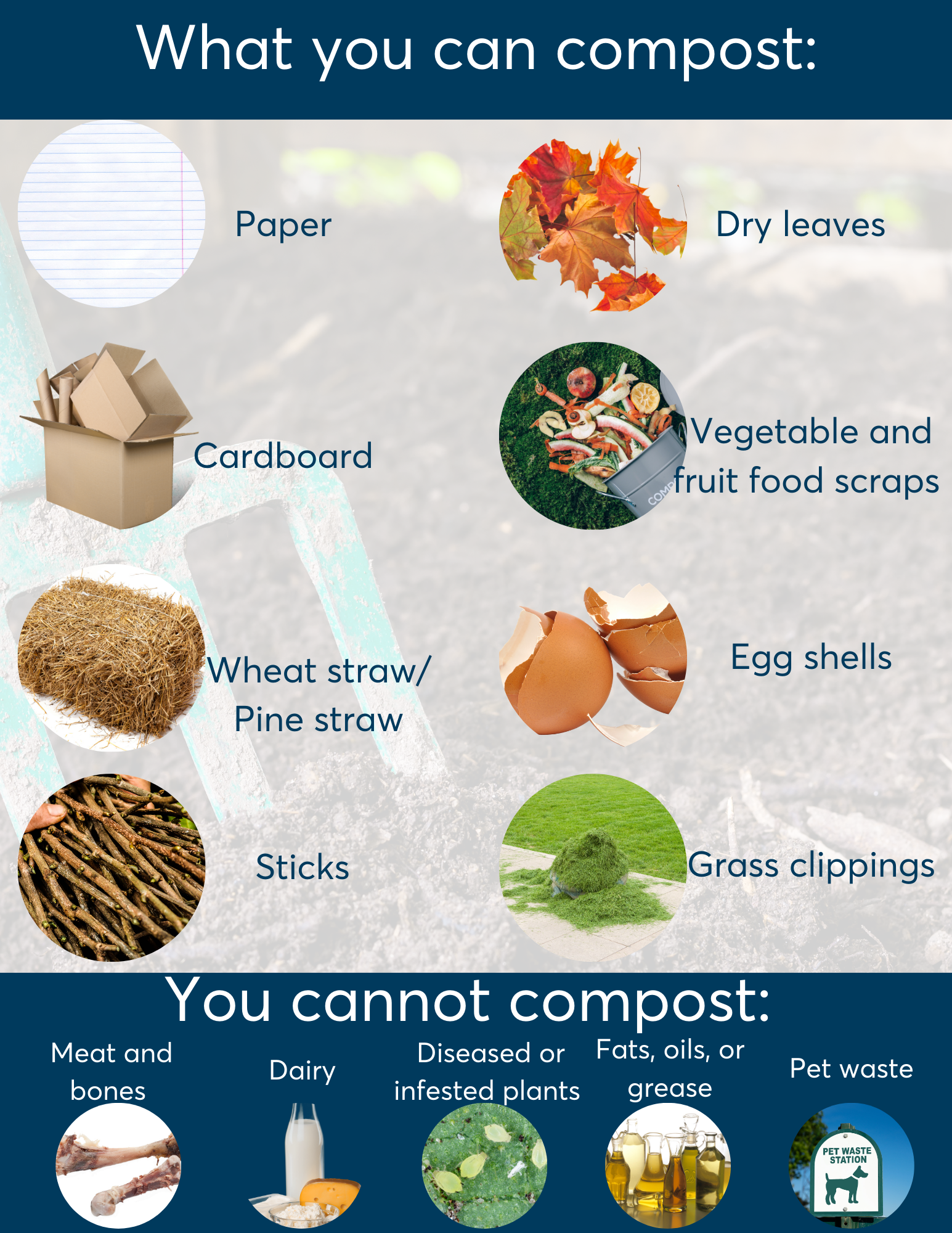
Gather Materials: Start collecting green materials (nitrogen-rich) like fruit and vegetable scraps, coffee grounds, and grass clippings, as well as brown materials (carbon-rich) like dried leaves, cardboard, and straw.
Layer the Materials: Alternate layers of green and brown materials to balance nitrogen and carbon. Aim for a ratio of about three parts brown to one part green.
Maintain the Pile: Turn the compost regularly to aerate it and speed up decomposition. Keep the compost moist but not waterlogged; it should feel like a damp sponge.
Be Patient: Composting takes time, usually between three to six months, depending on the conditions and materials used. Your compost is ready when it’s dark, crumbly, and earthy-smelling.
Starting a composting system is an easy and rewarding way to contribute to a more sustainable lifestyle. With these steps, you can transform your organic waste into a valuable resource for your garden, benefiting both your plants and the environment.
What if you don't have the yard or time to compost?
For residents of the Triangle area, several services offer compost pick-up or drop-off for food scraps and yard waste. Options include CompostNow and The ReCollective, which provide residential compost pick-up services, and Wake County Convenience Centers, which offer drop-off locations for food scraps. Additionally, the Town of Cary has a food waste recycling drop-off program.
Residential Compost Pick-up Services:
CompostNow:https://www.compostnow.org
This service offers weekly or bi-weekly pick-up of food scraps and other compostable materials, including options to earn back compost or donate to local gardens.
The ReCollective:https://therecollective.co/recollective-onestop
.The ReCollective provides food scrap pick-up services, along with options for hard-to-recycle materials, and community composting programs with drop-off locations.
Compost Drop-off Locations:
Wake County Convenience Centers:https://www.wake.gov/departments-government/waste-recycling
Wake County has several convenience centers that accept food scraps for composting, including one located at the South Wake Landfill in Apex.
Town of Cary Composting Page:https://data.townofcary.org/pages/food-waste-pilot-data-story
The Town of Cary's website has information on composting programs, including a Compost Education Center and compost giveaway workshops.
Composting Builds Healthier Triangle Landscapes from the Soil Up
Compost is one of the most effective ways to improve soil health in North Carolina landscapes. It increases organic matter, supports beneficial organisms, improves water retention, and helps plants establish stronger roots - which can reduce stress during hot summers and improve long-term bed performance.
For many homeowners, the challenge isn’t understanding the benefits - it’s knowing how to apply compost correctly. Over-application, poor timing, or using compost in areas with drainage issues can create new problems. A thoughtful approach ensures compost supports planting beds, shrubs, and turf without creating runoff or moisture buildup.
Our team works with homeowners throughout Raleigh, Durham, Chapel Hill, and the surrounding Triangle to improve soil structure and planting bed health through proper compost integration as part of a broader landscape plan.
If you want healthier plants, stronger beds, and more resilient landscapes, a professional soil and planting evaluation can help determine where compost will make the biggest impact.
👉 Schedule a Soil & Planting Bed Evaluation
Serving Homeowners Across the Triangle
If you’re in Raleigh, Durham, or Chapel Hill and need expert help with landscaping, hardscaping, or outdoor construction, Myatt Landscaping and Construction is here to help.
From custom patios and retaining walls to full outdoor design-build projects, our local team has served the Triangle area for more than 25 years.
📍 Myatt Landscaping and Construction
217 Technology Park Ln, Fuquay-Varina, NC 27526
☎ (919) 577-6050
Come Visit Us!
Frequently Asked Questions
What are the benefits of compost for North Carolina landscapes?
Compost enriches soil, improves structure, increases water retention, supports beneficial organisms, and can reduce the need for synthetic fertilizers and pesticides.
Where should compost be used in a residential yard?
Compost is most commonly used in planting beds, around shrubs and trees, and as a soil amendment for new plant installations. It can also support lawn health when used appropriately.
How often should compost be added to planting beds?
Many homeowners apply compost seasonally or annually depending on soil condition and planting needs. Timing and amount should be based on the bed’s performance and existing soil quality.
Can compost help with drainage or compacted soil?
Compost can improve soil texture over time and help with compaction and moisture management, but severe drainage issues may require grading or drainage corrections in addition to soil amendment.
What if I don’t have space or time to compost at home?
Many Triangle homeowners use compost pick-up or drop-off services for food scraps and yard waste, then purchase finished compost when they need it for their landscape.
Can too much compost cause problems?
Yes. Over-applying compost or using it in areas that already hold moisture can contribute to drainage issues or plant stress. A targeted approach is best.