Maintaining a beautiful landscape in Eastern and Central North Carolina can be challenging due to the region's hot, humid summers and occasional winter frosts. However, with the right selection of low-maintenance shrubs, you can create a stunning and resilient garden that requires minimal care. Here are some of the best low-maintenance shrubs that thrive in this region.
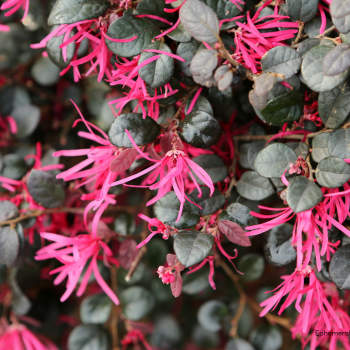
Loropetalum (Chinese Fringe Flower)
Loropetalum is a versatile, evergreen shrub that adds a splash of color to your garden year-round. Its vibrant, burgundy leaves and delicate, fringe-like flowers in shades of pink, red, or white make it a popular choice. Loropetalum is drought-tolerant once established, and it requires minimal pruning to maintain its shape. It thrives in full sun to partial shade and prefers well-drained soil.
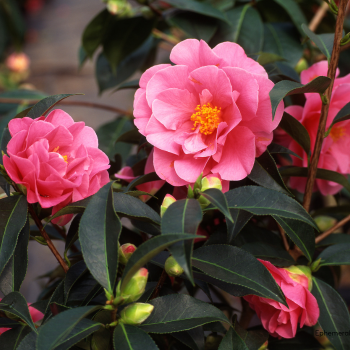
Camellia
Camellias are classic Southern shrubs known for their stunning, rose-like flowers that bloom in fall or winter, depending on the variety. They are evergreen and can be used as foundation plants, hedges, or accent pieces in the landscape. Camellias prefer partial shade and well-drained, slightly acidic soil. Once established, they are relatively drought-tolerant and require minimal pruning.
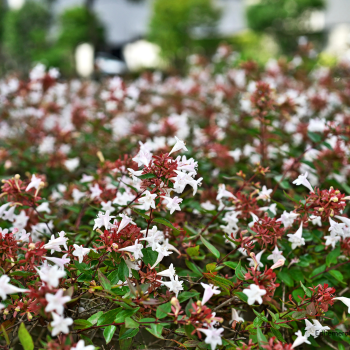
Abelia
Abelia is a semi-evergreen shrub that offers a long blooming season from spring through fall. Its fragrant, tubular flowers attract pollinators like bees and butterflies. Abelias are adaptable to various soil types, thrive in full sun to partial shade, and are resistant to pests and diseases. With minimal pruning, they maintain a neat, compact form, making them an excellent choice for low-maintenance landscapes.
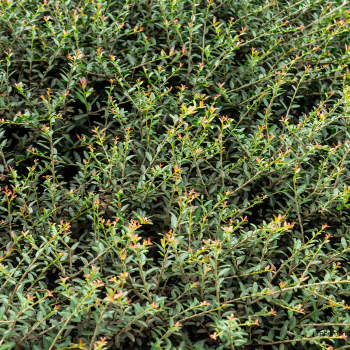
Dwarf Yaupon Holly
Dwarf Yaupon Holly is an evergreen shrub with small, glossy leaves and a dense, rounded growth habit. It is highly adaptable and can tolerate a wide range of soil types, including poor, sandy soils common in Eastern North Carolina. This shrub is also drought-tolerant and can handle both full sun and partial shade. Its minimal pruning requirements make it an ideal choice for foundation plantings, borders, or low hedges.
Azalea
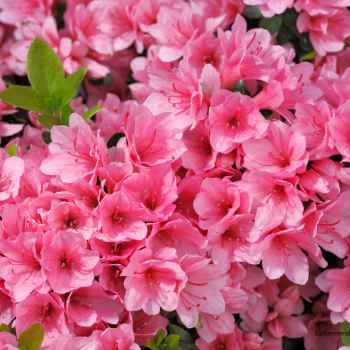
Azaleas are a favorite in the South, known for their showy, vibrant blooms in spring. These shrubs are relatively low-maintenance once established and come in a variety of sizes and colors. Azaleas prefer partial shade and well-drained, acidic soil. To keep them looking their best, minimal pruning is needed after flowering, and mulching around the base helps retain moisture and regulate soil temperature.
Choosing the right shrubs for your Eastern North Carolina garden can significantly reduce the amount of time and effort required for maintenance. Loropetalum, Camellias, Abelia, Dwarf Yaupon Holly, and Azaleas are all excellent options that offer beauty, resilience, and ease of care. By incorporating these low-maintenance shrubs into your landscape, you can enjoy a lush, vibrant garden without the constant upkeep.
FAQ – Quick Answers for Homeowners
Do these shrubs need much pruning?
Not much—just light shaping after blooming or in late winter.
Can they handle NC weather extremes?
Yes! They're heat, humidity, and occasional frost tolerant
View our Triangle-area portfolio, including stunning projects in Raleigh and Chapel Hill. www.myattlandscaping.com/portfolio
Ready to Transform Your Landscape?
Our team in Fuquay‑Varina & the Triangle specializes in designing sustainable, beautiful gardens.https://www.myattlandscaping.com/contact
Choosing Low-Maintenance Shrubs for Triangle Landscapes
In Central and Eastern North Carolina, the combination of summer heat, humidity, heavy rainfall, and occasional winter freezes makes plant selection critical. Low-maintenance shrubs succeed not because they require no care - but because they are well-suited to local soil conditions and climate patterns.
Selecting regionally adapted shrubs reduces pruning demands, pest pressure, watering needs, and long-term replacement costs. When shrubs are placed properly according to mature size, sun exposure, and drainage conditions, they create structure and year-round beauty with minimal intervention.
Our team designs and installs shrub plantings for homeowners throughout Raleigh, Durham, Chapel Hill, and surrounding Triangle communities - focusing on sustainable selections that thrive long-term.
If you’re looking to simplify maintenance while enhancing curb appeal, a professional planting plan can ensure the right shrubs are selected and placed correctly from the start.
👉 Schedule a Planting Consultation

Frequently Asked Questions
What makes a shrub low-maintenance in North Carolina?
Low-maintenance shrubs are adapted to the region’s heat, humidity, soil conditions, and seasonal temperature shifts, requiring minimal pruning, watering, and pest management once established.
Do low-maintenance shrubs still require pruning?
Most require only light shaping after flowering or seasonal cleanup. Proper placement according to mature size significantly reduces pruning needs.
Are evergreen shrubs better for low-maintenance landscapes?
Evergreens provide year-round structure and reduce seasonal replanting needs, making them a strong choice for foundational plantings and borders.
Can these shrubs handle Triangle weather extremes?
Yes. When properly selected and installed, these shrubs tolerate hot summers, humidity, heavy rain events, and occasional winter frost.
How important is soil preparation when planting shrubs?
Proper soil preparation, drainage evaluation, and mulching are essential for long-term health and reduced maintenance.
Should shrubs be part of a larger landscape plan?
Yes. Integrating shrubs into a cohesive design ensures balanced spacing, layered planting, and sustainable long-term growth.