North Carolina landscapes have a natural advantage when it comes to supporting pollinators. Our climate, soils, and long growing season allow a wide range of native perennials to thrive with minimal input once established. Choosing native plants is one of the most effective ways to create healthier landscapes while also supporting bees, butterflies, hummingbirds, and beneficial insects.
Below are eight of the best native perennials for pollinators in North Carolina landscapes. These plants are reliable, attractive, and ecologically valuable in both residential and commercial settings.
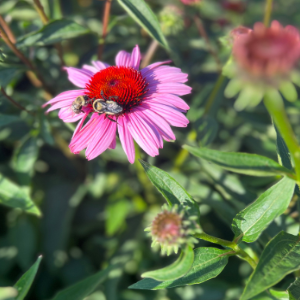
Purple Coneflower
Echinacea purpurea
One of the most recognizable native perennials, purple coneflower is a magnet for bees and butterflies throughout summer. Its long bloom time and seed heads also provide late-season food for birds. It performs well in full sun and tolerates drought once established, making it a dependable landscape staple.
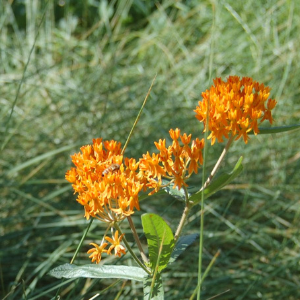
Butterfly Weed
Asclepias tuberosa
A critical host plant for monarch butterflies, butterfly weed supports the full lifecycle of one of our most important pollinators. Its bright orange blooms appear in early to mid-summer and thrive in dry, well-drained soils. Once established, it requires very little maintenance.
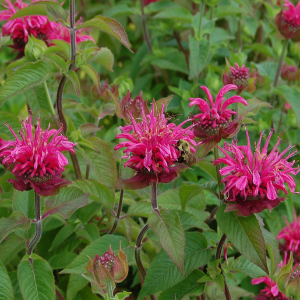
Bee Balm
Monarda didyma
Bee balm is a favorite for hummingbirds and native bees. Its unique, tubular flowers bloom in shades of red and pink during mid to late summer. It performs best in full sun to part shade and spreads gradually, making it ideal for naturalized garden areas.
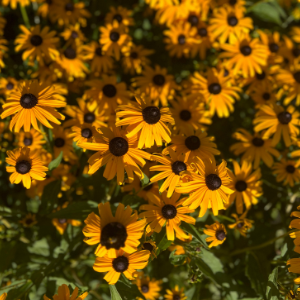
Black-Eyed Susan
Rudbeckia fulgida
This cheerful yellow perennial is one of the most dependable pollinator plants in the Southeast. It blooms for weeks, attracting bees and butterflies while also providing seeds for birds in fall. It is drought tolerant and works well in mass plantings.
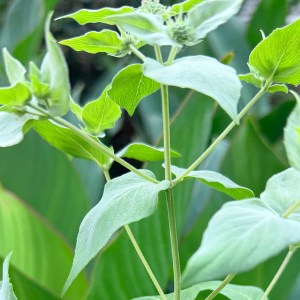
Mountain Mint
Pycnanthemum muticum
Mountain mint is one of the highest-value pollinator plants available. It produces clusters of small white flowers that attract an extraordinary variety of beneficial insects. It also has aromatic foliage that deer tend to avoid, making it a strong choice for challenging sites.
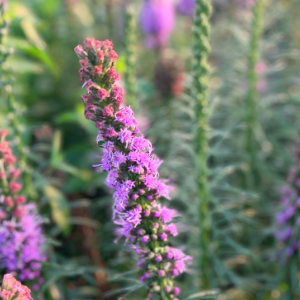
Blazing Star
Liatris spicata
Blazing star adds vertical interest with its tall spikes of purple blooms. It is especially attractive to butterflies, including monarchs and swallowtails. It thrives in full sun and well-drained soils and adds strong architectural structure to planting designs.
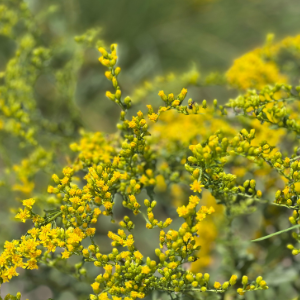
Goldenrod
Solidago spp.
Often misunderstood, goldenrod is not a cause of allergies but is one of the most important late-season nectar sources for pollinators. It supports bees, butterflies, and beneficial insects preparing for fall migration. Its bright yellow blooms provide essential seasonal color.
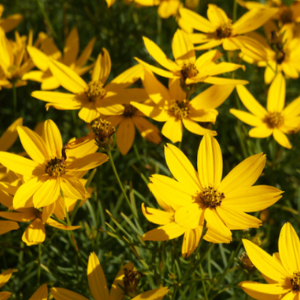
Coreopsis
Coreopsis lanceolata
Coreopsis is a long-blooming perennial that thrives in poor soils and hot conditions. Its bright yellow flowers attract bees and butterflies throughout early to mid-summer. It is low maintenance and works well in naturalized and meadow-style plantings.
Why Native Perennials Matter
Native perennials are adapted to North Carolina’s environment, which means they typically require less irrigation, fertilizer, and pest management once established. More importantly, they provide the exact food sources and habitat that local pollinators depend on.
Incorporating even a small number of native plants into a landscape can significantly increase biodiversity and ecological function. When used at scale in residential communities, commercial properties, and public spaces, they create pollinator corridors that support long-term environmental health.