Healthy landscapes start with healthy soil, and one of the most effective ways to understand what’s happening beneath the surface is through a soil analysis. For homeowners, gardeners, and landscape enthusiasts—especially those in the Piedmont and Triangle region of North Carolina—soil testing provides essential insight into nutrient levels, pH balance, and overall soil health.
What Is Soil Analysis?
A soil analysis evaluates the chemical composition of your soil, measuring factors such as pH, nutrient availability, and organic matter. In North Carolina, soil samples can be submitted to the North Carolina Department of Agriculture & Consumer Services (NCDA&CS) Agronomic Division, which provides highly detailed reports for homeowners and landscape professionals. (Link below)
The results help you understand whether your soil has the right environment to support the plants you want to grow. This is especially valuable in the Piedmont and Triangle, where soils are often naturally acidic and can vary widely from one property to another due to clay content, construction disturbance, and long-term land use.
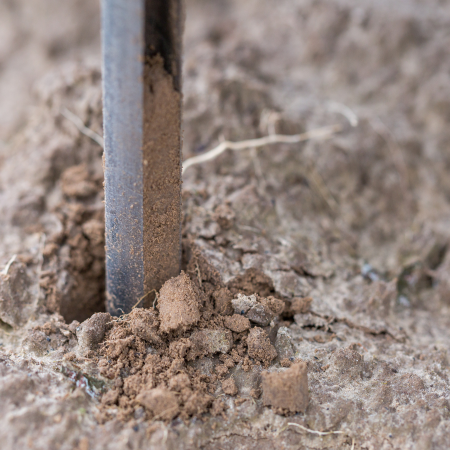
Why You Should Test Your Soil
1. Improve Plant Performance
Plants thrive when soil nutrients are balanced and the pH is in the correct range. A soil test removes the guesswork, helping you make informed decisions rather than relying on generic fertilizers or assumptions. When the soil environment is optimized, plants grow more vigorously and are more resistant to pests and disease.
2. Save Money and Reduce Waste
Many lawns and gardens receive far more fertilizer than they need. Soil testing prevents unnecessary applications and ensures you only add what’s essential. This avoids waste and supports a healthier landscape.
3. Protect Local Waterways
Over-fertilization can lead to nutrient runoff, which contributes to water pollution. By following soil test recommendations, you help protect lakes, streams, and watersheds throughout the Piedmont region.
4. Tailor Solutions to Piedmont Soils
Piedmont soils tend to be acidic and clay-heavy, which affects soil structure, nutrient availability, and root development. Soil testing helps you apply the right amendments—often lime or organic matter—to create a healthier growing environment.
Signs You Need a Soil Test
A soil test is recommended every 2–3 years, but you may need one sooner if you notice:
Plants growing poorly or inconsistently
Yellowing, wilting, or stunted growth
New garden or landscape installations
Thick moss in the lawn (a sign of low pH)
Difficulty establishing turf in compacted clay areas
Before adding lime or fertilizer
If you’re preparing a vegetable garden, flower bed, or new lawn, testing before planting is crucial.
What the Results Mean
Soil pH
Most plants prefer slightly acidic soil (pH 6.0–6.5), which is very relevant in our region where many soils naturally fall below 6.0. Your test results will tell you whether your soil is too acidic or too alkaline and how much lime or sulfur to apply to bring it into the ideal range.
Nutrient Levels
North Carolina reports phosphorus (P-I) and potassium (K-I) as index values. Your report will categorize them as low, medium, sufficient, or high. Low values indicate a need for fertilizer, while high values mean you may not need to add those nutrients at all.
Organic Matter & Soil Structure
Some reports include organic matter percentages, which reflect soil health, water-holding capacity, and microbial activity—important factors for success in clay-heavy Piedmont soils.
Recommendations
Each report comes with custom fertilizer and amendment recommendations based on the crop or plants you select. This tailored guidance takes the guesswork out of soil improvement.
🔗 NC Agronomic Services – Understanding Your Soil Test Report
https://www.ncagr.gov/divisions/agronomic-services/soil-testing/homeowners/understand-your-report
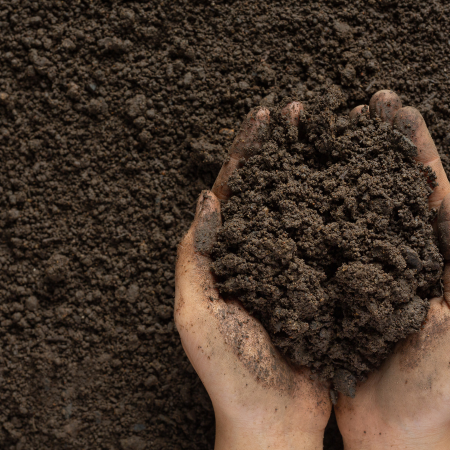
Soil Analysis in North Carolina: Why Testing Your Soil Matters
In Central North Carolina, successful landscapes are built from the ground up. From Raleigh to Cary and throughout the Triangle, soil conditions can vary dramatically due to clay content, construction disturbance, and naturally acidic soils.
A professional soil analysis removes the guesswork from lawn and plant care. By understanding pH levels, nutrient availability, and soil composition, homeowners can make informed decisions that lead to stronger plant growth, better turf performance, and long-term landscape health.
👉 Schedule a Landscape Evaluation
Serving Homeowners Across the Triangle
If you’re in Raleigh, Durham, or Chapel Hill and need expert help with landscaping, hardscaping, or outdoor construction, Myatt Landscaping and Construction is here to help.
From custom patios and retaining walls to full outdoor design-build projects, our local team has served the Triangle area for more than 25 years.
📍 Myatt Landscaping and Construction
217 Technology Park Ln, Fuquay-Varina, NC 27526
☎ (919) 577-6050
Come Visit Us!
Frequently Asked Questions
What is a soil analysis?
A soil analysis measures pH, nutrient levels, and overall soil composition to determine what your landscape needs to support healthy plant growth.
Why is soil testing important in North Carolina?
Piedmont soils are often acidic and clay-heavy, which can limit nutrient availability and affect plant performance without proper amendments.
How often should you test your soil?
Soil should typically be tested every 2–3 years, or sooner if you notice poor plant growth, moss, or are installing new landscaping.
What does soil pH affect?
Soil pH controls how easily plants can absorb nutrients. Most plants prefer a slightly acidic range between 6.0 and 6.5.
Can soil testing save money?
Yes. It prevents over-fertilization by identifying exactly what nutrients are needed, reducing unnecessary applications and waste.
What are signs you need a soil test?
Common signs include poor plant growth, yellowing leaves, compacted soil, moss in turf, or difficulty establishing new plantings.