One of the most rewarding and cost-effective tasks in gardening is splitting perennials. Many perennial plants naturally grow larger each year, and eventually become crowded, woody, or less productive. Dividing these plants not only rejuvenates them but also gives you free new plants to expand your landscape or share with friends.
Splitting perennials is a simple practice that benefits the plant’s health, improves garden aesthetics, and helps maintain long-term vigor. Whether you garden in the Piedmont, the Triangle, or anywhere with fluctuating seasonal temperatures, dividing perennials is an essential part of good garden maintenance.
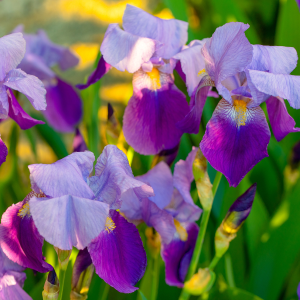
Why Splitting Perennials Is a Good Idea
Perennials grow in clumps that expand over time. Once those clumps become too dense, the center often begins to die out due to lack of air and light. Splitting prevents decline and encourages fresh, healthy growth. Dividing also improves flowering because crowded roots compete for nutrients and water, which reduces bloom production.
Another major benefit is multiplication. A single perennial can quickly become several, giving you fresh plants for other areas of the landscape. Over time this saves significant money and creates a more cohesive garden because the new plants match the originals.
Splitting also gives you the opportunity to correct spacing issues. Perennials that were small at planting may now overwhelm neighboring plants. Dividing allows you to reposition them for better balance and design.
What Types of Perennials Split Best
While most clumping perennials can be divided, some respond better than others.
Top perennials that divide well include:
Hostas
Daylilies
Shasta daisies
Black-eyed Susans
Coneflowers
Ornamental grasses (clumping types)
Sedum
Irises
Coreopsis
Garden phlox
Plants that grow in tight clumps, send out offsets, or form expanding crowns are excellent candidates. Plants with taproots, like butterfly weed or baptisia, are not ideal because they do not tolerate root disturbance well.
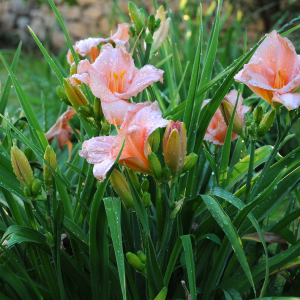
When to Split Perennials
The best timing depends on the plant and your climate, but a simple rule works for most gardens.
Split spring and summer blooming perennials in the fall.
They have time to re-establish roots before winter.
Split fall blooming perennials in spring.
This allows them to settle before they put energy into flowering.
Cooler weather and consistent moisture support quick recovery, which is why early spring and early fall are ideal times.
A few plants have more specific timing needs. For example, irises are best divided in late summer after flowering. Ornamental grasses are healthiest when split in early spring as new growth emerges.
How to Split Perennials
Water the plant the day before to reduce stress and make digging easier.
Dig up the entire root ball with a sharp spade or fork. Lift it gently to keep as many roots intact as possible.
Divide the clump into sections using your hands, a knife, or a garden saw depending on how dense the roots are. Each division should have several healthy shoots and a portion of root.
Replant immediately at the same depth as the original plant, spacing divisions to allow room for growth.
Water thoroughly and mulch to retain moisture.
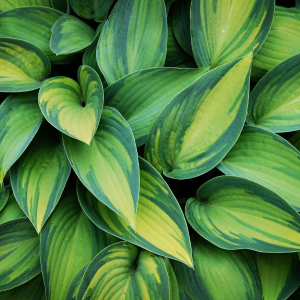
With the right timing and technique, splitting perennials revitalizes your plants and your garden.
Splitting Perennials: How to Rejuvenate Your Garden and Get More Plants
In Central North Carolina, maintaining a healthy and vibrant landscape means working with how plants naturally grow. From Raleigh to Cary and throughout the Triangle, perennial plants expand each year, and without proper care, they can become overcrowded and less productive.
Splitting perennials is one of the simplest and most effective ways to refresh your garden. It improves plant health, encourages stronger blooms, and allows you to expand your landscape using plants you already have. When done at the right time, this practice keeps your landscape looking full, balanced, and well-maintained.
👉 Refresh and Maintain Your Landscape

Frequently Asked Questions
Why should you split perennials?
Dividing perennials prevents overcrowding, encourages healthier growth, and improves flowering by reducing competition for nutrients and water.
When is the best time to divide perennials?
Spring and summer bloomers are typically divided in fall, while fall bloomers are best divided in early spring for optimal recovery.
Which perennials divide well?
Plants like hostas, daylilies, coneflowers, black-eyed Susans, ornamental grasses, sedum, and irises respond well to division.
Are there plants that should not be divided?
Yes. Perennials with taproots, such as butterfly weed or baptisia, do not tolerate root disturbance and should not be divided.
How do you divide perennials properly?
Dig up the root ball, split it into healthy sections with roots and shoots, and replant immediately at the same depth with proper spacing.
Will dividing perennials help my garden design?
Yes. It allows you to reposition plants, improve spacing, and create a more balanced and cohesive landscape layout.