When it comes to creating an outdoor space that feels uniquely yours, the right plants and layout are just the beginning. Decorative elements like statuary, pottery, art structures, and fountains bring personality, structure, and a touch of surprise to any garden or landscape. These finishing touches can transform even the simplest plantings into a thoughtful, curated outdoor space.
Why Incorporate Decorative Elements?
Just as interior design reflects your personality inside your home, decorative landscape elements allow you to express your taste outside. A well-placed piece of pottery or a classic cast stone urn can anchor a garden bed, while a whimsical sculpture tucked among ornamental grasses can add charm and curiosity.
Fountains offer the bonus of soothing sound and movement, helping to mask traffic or neighborhood noise while attracting birds and pollinators. Pottery and containers allow seasonal change—colorful annuals in the spring, texture-rich evergreens in the fall, without altering permanent plantings. These items give your landscape dimension, movement, and character.
Tips on Scale and Placement
When selecting statuary or other decorative features, scale is everything. A small sculpture can get lost in a wide-open space, while something too large may overwhelm a small courtyard. Use the surrounding architecture and plants as a guide. A large urn can work beautifully flanking an entryway or nestled at the end of a walkway. A delicate sculpture fits well in a tight perennial bed or tucked beside a seating area.
Balance is also key. If you're adding more than one focal point, stagger their size and placement to create visual interest without competing for attention. Think of them as punctuation marks in the garden, used thoughtfully, they guide the eye and enhance the experience.
Choosing Materials and Styles
Match materials and styles to your home and landscape. A sleek steel sculpture might feel right at home in a modern design, while aged limestone or terra cotta pairs beautifully with Mediterranean or cottage-style gardens. Don’t be afraid to mix textures, but be sure the palette feels cohesive with the overall design.
Durability is important, choose materials that can withstand the elements, especially in areas with extreme weather. Resin and fiberglass options are lightweight alternatives to stone or metal and often come in finishes that mimic more expensive materials.
Where to Source Unique Pieces
To find something truly unique, explore local garden centers, art galleries, and craft fairs. Many local artisans create outdoor sculptures and pottery with regional character that large retailers simply can’t replicate. Salvage yards and architectural resale stores are also great sources for vintage or repurposed garden elements.
If you're looking for something custom, consider commissioning a local artist or working with a landscape designer who has connections to artisan vendors.
Final Thought
Decorative elements add lasting value to your landscape—not just visually, but emotionally. Whether it’s the calming sound of water, a sculptural conversation piece, or a favorite ceramic planter filled with color, these additions help turn a garden into a true extension of your home.
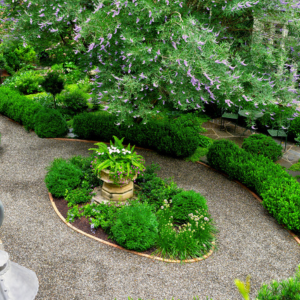
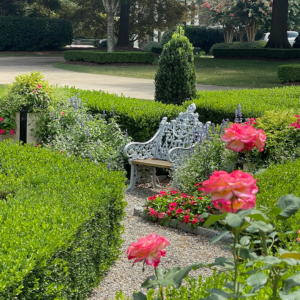
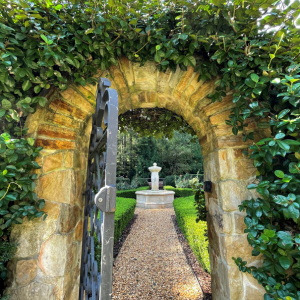
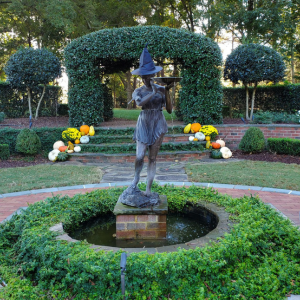
Below are some examples of decorative elements at sites we maintain.
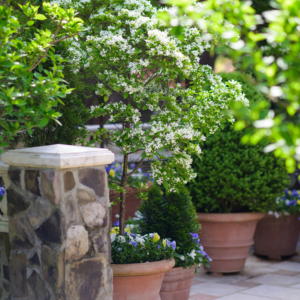
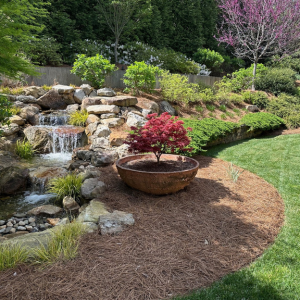
Personalized Landscape Design Elevates Triangle Properties
Decorative elements such as statuary, pottery, fountains, and sculptural accents can transform a landscape from functional to memorable. When thoughtfully selected and properly scaled, these pieces create focal points, guide movement, and give outdoor spaces a refined sense of identity.
The key is intentional placement and balance. Proportion, materials, surrounding plantings, and architectural context all influence whether decorative features feel integrated or out of place. When coordinated correctly, these elements enhance the structure of the garden rather than compete with it.
Our team works with homeowners throughout Raleigh, Durham, Chapel Hill, and the surrounding Triangle to incorporate art, pottery, and architectural accents into cohesive landscape designs.
If you want your landscape to reflect your personality while maintaining a polished, balanced appearance, a professional design consultation can help you select and position the right features for your space.
👉 Schedule a Landscape Design Consultation
Serving Homeowners Across the Triangle
If you’re in Raleigh, Durham, or Chapel Hill and need expert help with landscaping, hardscaping, or outdoor construction, Myatt Landscaping and Construction is here to help.
From custom patios and retaining walls to full outdoor design-build projects, our local team has served the Triangle area for more than 25 years.
📍 Myatt Landscaping and Construction
217 Technology Park Ln, Fuquay-Varina, NC 27526
☎ (919) 577-6050
Come Visit Us!
Frequently Asked Questions
How do I choose the right size statuary for my yard?
Scale should match the surrounding architecture and planting areas. Large open spaces can support larger focal pieces, while smaller courtyards or beds benefit from compact accents that complement, rather than overwhelm, the setting.
Where should decorative elements be placed in a landscape?
Decorative pieces work best when placed at visual endpoints, such as the end of a walkway, near an entryway, or within a seating area. Placement should guide the eye naturally and feel intentional within the overall layout.
Are fountains practical in Triangle landscapes?
Yes. Properly installed fountains can add soothing sound and visual interest while helping mask traffic noise. Material durability and maintenance planning are important considerations in North Carolina’s climate.
What materials hold up best outdoors?
Cast stone, metal, fiberglass, and high-quality resin are common outdoor materials. The right choice depends on the design style, exposure to weather, and desired longevity.
Can decorative pottery be used year-round?
Yes, but seasonal adjustments may be needed. In colder months, selecting frost-resistant materials and appropriate plantings helps protect containers from damage.
Is it better to incorporate art during initial design or later?
Incorporating decorative elements during the design phase allows for better planning of scale, sightlines, and supporting plantings. However, existing landscapes can also be enhanced thoughtfully over time.
Can a professional designer help source unique pieces?
Yes. Designers often have connections to artisan vendors, specialty garden centers, and regional sources that offer distinctive pieces aligned with the overall landscape vision.