When we think about choosing plants for a landscape, color often gets the most attention. But texture can be just as important. The size, shape, density, and feel of a plant’s foliage can add depth and contrast to a landscape, helping create visual interest throughout the year.
Texture generally falls into three categories: fine, medium, and coarse. Fine-textured plants have small, narrow, or delicate foliage and can make a space feel lighter and more open. Coarse-textured plants have larger or bolder leaves and create strong visual impact. Medium-textured plants help bridge the two and keep the landscape from feeling too busy.
The key is contrast. Planting several fine-textured plants together can create a soft, airy effect, but adding a bold-leaved plant nearby gives the eye something to focus on. Likewise, pairing large foliage with grasses or other fine-textured plants can make both stand out.
Texture can also help define how a space feels. Fine-textured plants can make a planting bed appear larger and more delicate, while coarse-textured plants tend to feel more substantial and draw attention. Using different textures at different heights can create layers and make a planting feel more natural and dimensional.
Plants That Add Great Texture
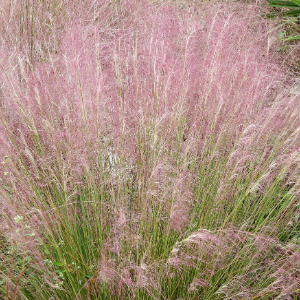
Muhly Grass (Muhlenbergia capillaris)
Fine, upright foliage and airy flower plumes add movement and a soft texture to the landscape.
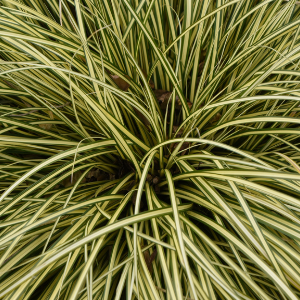
Carex (Carex spp.)
Fine, arching foliage adds a soft, flowing texture and works well as a groundcover, border plant, or mass planting.
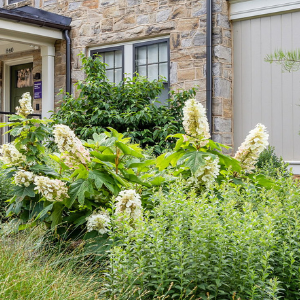
Oakleaf Hydrangea (Hydrangea quercifolia)
Large, oak-shaped leaves provide strong texture while also offering seasonal interest.
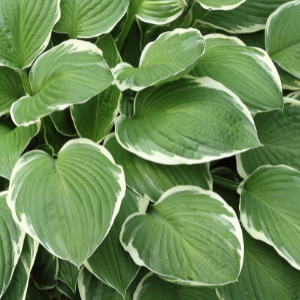
Hosta (Hosta spp.)
Large, substantial leaves provide bold texture and are especially effective when contrasted with finer foliage.
Ferns
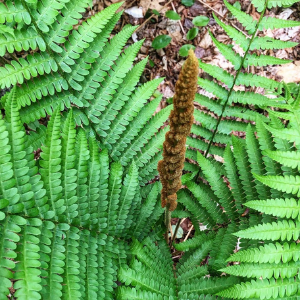
Plants such as autumn fern and Christmas fern bring delicate, layered foliage that works beautifully beneath trees and in woodland-style plantings.
Great plant design is about more than picking plants that look good individually. It is about considering how they interact with one another. By combining fine, medium, and coarse textures, we can create landscapes that have depth, movement, and interest even when flowers aren't in bloom.
Let the team at Myatt Landscaping & Construction create a landscape designed around your property, your style, and the way you want to enjoy your outdoor space. From the first design to installation and ongoing care, we can help create a landscape you’ll love for years to come.
Frequently Asked Questions About Plant Texture in Landscape Design
What is plant texture in landscape design?
Plant texture refers to the appearance of a plant's foliage, including the size, shape, density, and arrangement of its leaves. Fine, medium, and coarse textures work together to create contrast, depth, and visual interest in a landscape.
What is the difference between fine-textured and coarse-textured plants?
Fine-textured plants have small, narrow, or delicate foliage, creating a soft and airy appearance. Coarse-textured plants have larger or bolder leaves that stand out and draw attention. Combining the two creates contrast and helps a planting bed feel more balanced.
Why is plant texture important in landscape design?
Texture adds depth and dimension to a landscape, helping plants stand out from one another. It also creates visual interest throughout the year, even when plants are not flowering.
What are some examples of fine-textured plants?
Muhly grass, Carex, and ferns are excellent examples of fine-textured plants. Their delicate or narrow foliage adds softness, movement, and a natural appearance to planting beds.
What are some examples of coarse-textured plants?
Hostas and oakleaf hydrangeas offer bold foliage that creates a strong visual presence. Their larger leaves contrast well with ornamental grasses, ferns, and other fine-textured plants.
How can I combine different plant textures in my landscape?
Start with a mix of fine, medium, and coarse textures. Pair bold-leaved plants with delicate grasses or ferns, and use medium-textured plants to connect the different elements. Repeating textures throughout the landscape can also help create a cohesive design.
Can plant texture make a landscape appear larger or smaller?
Yes. Fine-textured plants can create a sense of openness and make planting areas appear more expansive, while coarse-textured plants tend to draw attention and create a feeling of visual weight. Thoughtful placement of both can help establish depth and proportion.
Does plant texture matter during seasons when flowers are not blooming?
Absolutely. Foliage provides structure and visual interest even when flowers are absent. Ornamental grasses, evergreen ferns, and plants with distinctive leaves help maintain contrast and dimension throughout the year. Choosing plants with different textures and seasonal characteristics creates a landscape that remains engaging in every season.