The Edge, the digital magazine of the National Association of Landscape Professionals, featured an interview with Kate, Amelia, and Misty to discuss our Horticulture department and how it sets us apart in the landscaping industry.
Take a look at the article in the link below.
https://blog.landscapeprofessionals.org/cultivating-quality-how-myatt-landscapings-horticulture-team-sets-them-apart/
Written By:
Jill Odom
Jill Odom is the senior content manager for NALP
What started as a specific hire to help with a unique project in 2022 has evolved into the development of a new horticulture team for Myatt Landscaping & Construction, based in Fuquay-Varina, North Carolina.
When Myatt Landscaping was hired to install landscape architect Max Cohen’s design at Raleigh Iron Works, they brought on Kate Watts to serve as their dedicated horticulturist to help with the installation and maintenance of the project.
“The Raleigh Iron Works project required somebody to be there full time on the project,” Watts says. “Because I have a background in both design and horticulture, we were just getting ready for the install of that project, and it did require a lot of work with the layout of the design and project, so I was able to assist with the full install of the project where the layout was concerned. I come from a high-detail horticulture background. The ongoing maintenance of the project is super unique for a commercial site; it does require a lot of specialty detail to keep it very clean.”
Watts still manages this site and her expertise quickly became essential to the larger Myatt team.
Misty Gil, recruiting specialist and company ambassador for Myatt, says that as their installation and maintenance teams sought Watts’ guidance, they decided to bring on Liza Lavengood as an intern in May 2024. She joined the team full-time in September as an assistant horticulturist and handles the bulk of the day-to-day maintenance of the Raleigh Iron Works.
This allows Watts to visit other sites and consult with clients as needed. The company also hired Amelia Harris as a horticulturist in September. Harris says she found the job listing on Hirehorticutlure.com, which is geared more toward horticulture positions at botanical gardens.
“Specifically, I saw employee reviews on their website for people who had been here for 15 years,” Harris says. “That was something that really stood out to me personally is their turnover is not very high.”
Gil says it was hard finding individuals who had an education in horticulture as well as hands-on experience with what maintenance looks like.
“Her (Harris) addition inspired us to fully define the horticulturist role within Myatt Landscaping and Construction, as well as to delineate the specific service areas each team member would oversee,” Gil says.
Now each horticulturist is aligned with a specific maintenance account manager based on a geographic area to provide a proactive approach across maintenance and installation projects. Gil says this team serves as another set of eyes and customers appreciate their attention to detail.
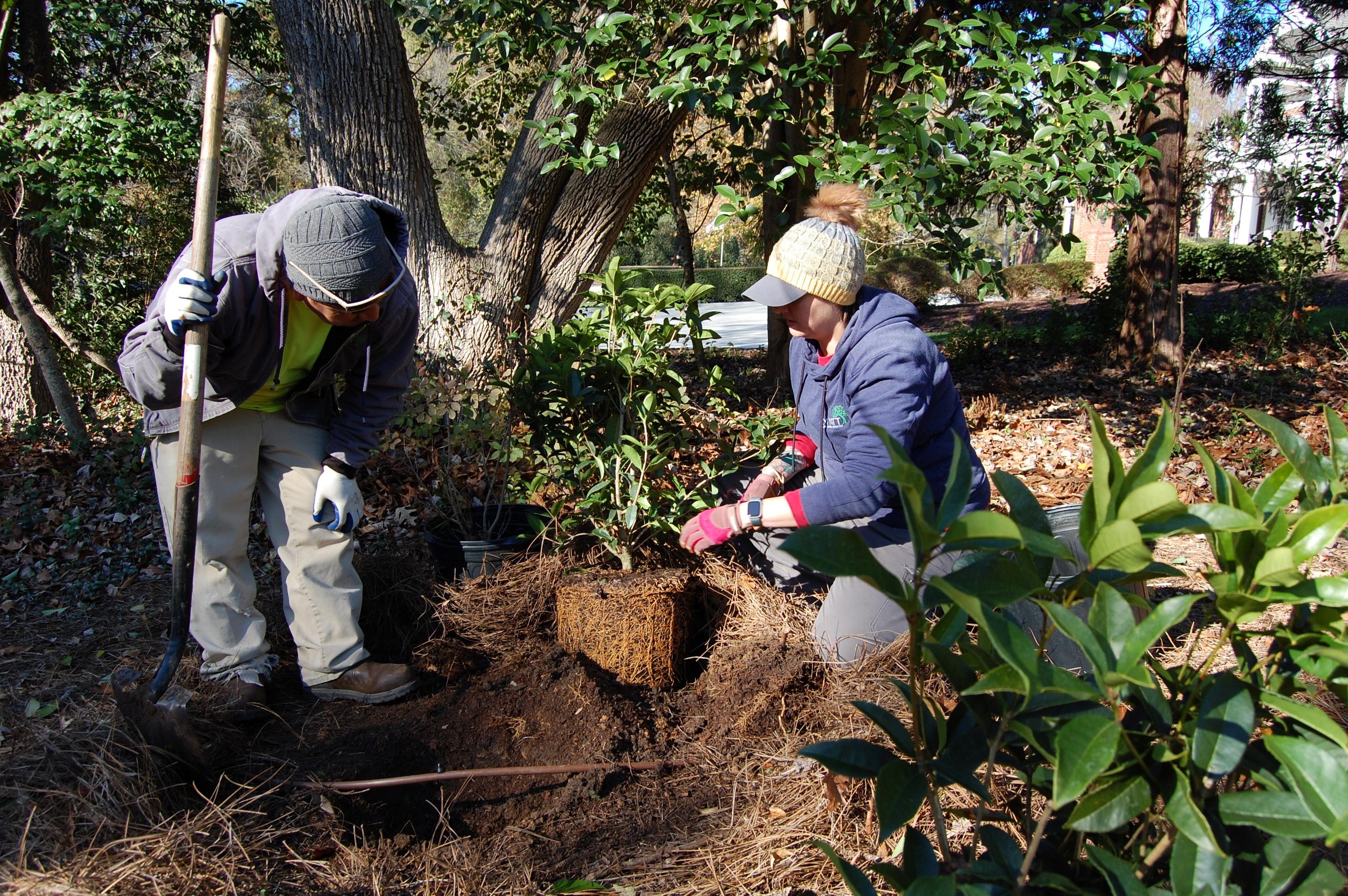
Gil says another benefit of having a horticulture team is how Watts and Harris have raised the bar of their overall team’s knowledge through in the field training on practices like pruning and insect/disease ID.
“It just elevates what we’re able to do and the quality and at the end of the day, Myatt Landscaping really is all about the quality,” Gil says. “We want to do things that are more culturally sound and sustainable. I just see it as a benefit for our employees, for our management team, as well as our customers.”
Watts says the hands-on training has empowered the crews to be more confident about what they’re producing in the field as well.
“I love sharing what I know with other people and just helping them be passionate about what they do,” Watts says. “I’ve always just I’ve loved sharing what I do.”
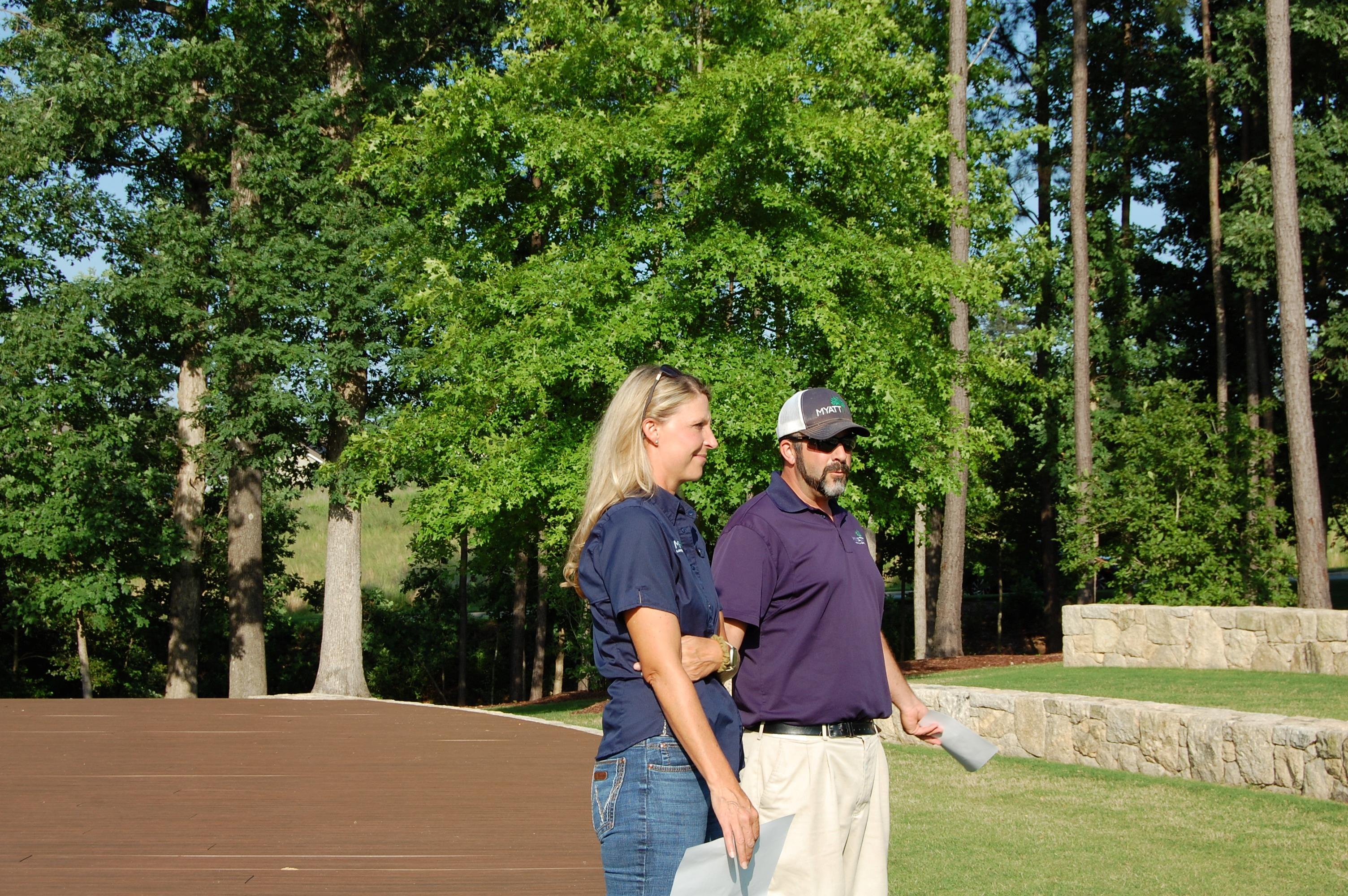
On the installation side, the horticulture team reviews plans to confirm plant appropriateness, assist with layout and provide crew training on proper planting and amendments. Watts says they are able to be a resource and share what plants they see working versus those that aren’t on properties.
Myatt also warranties plants for one year if they are providing maintenance for it. They are hopeful with the horticulture team they will be able to minimize warranty-related issues through proper planting and maintenance.
“It gives us a proactive approach to the landscape instead of a reactive approach,” Watts says. “I think it helps to break the cycle of years of doing things the same way just because that’s the way that things have been done in the industry or in the respective company.”
For other companies that want to create their own horticulture team, Gil says it’s important to create clear job descriptions and get buy-in from your account managers and management team.
“Once we had lined out the role, we were good to go,” Gil says. “When you just say we’re hiring a horticulturist and give no background whatsoever, that’d freak anybody out.”
Harris notes that as the focus on sustainability grows, the more important it is to have a horticulture team that is familiar with those concepts and practices.
Elevating Landscape Quality Through Dedicated Horticulture in the Triangle
In a competitive landscaping market, technical execution and plant health expertise are what separate a standard maintenance provider from a true horticultural partner. A dedicated horticulture team ensures plant selection, installation, pruning practices, and long-term care are handled with precision - not guesswork.
Across the Triangle, landscapes face unique challenges including heat, humidity, heavy rainfall, and seasonal pest pressure. Having trained horticulturists review plans, consult on plant appropriateness, and provide in-field training creates a proactive approach to maintenance rather than a reactive one.
Our horticulture team supports installation and maintenance clients throughout Raleigh, Durham, Chapel Hill, and surrounding communities — helping ensure every landscape is installed correctly, maintained sustainably, and managed with long-term plant health in mind.
If you’re looking for a landscape partner that prioritizes horticultural expertise and sustainable practices, a consultation can help determine how a proactive maintenance strategy can benefit your property.
👉 Schedule a Landscape Consultation
Serving Homeowners Across the Triangle
If you’re in Raleigh, Durham, or Chapel Hill and need expert help with landscaping, hardscaping, or outdoor construction, Myatt Landscaping and Construction is here to help.
From custom patios and retaining walls to full outdoor design-build projects, our local team has served the Triangle area for more than 25 years.
📍 Myatt Landscaping and Construction
217 Technology Park Ln, Fuquay-Varina, NC 27526
☎ (919) 577-6050
Come Visit Us!
Frequently Asked Questions
What does a horticulture team do in a landscaping company?
A horticulture team provides plant expertise, assists with installation layout, ensures proper planting practices, identifies insects and diseases, and supports ongoing plant health management.
How does having horticulturists improve landscape quality?
Dedicated horticulturists elevate pruning standards, plant selection accuracy, sustainability practices, and proactive maintenance - reducing plant loss and long-term issues.
Do horticulturists assist with both installation and maintenance?
Yes. They review planting plans, confirm plant suitability for site conditions, train crews during installation, and provide ongoing support for maintenance teams.
Can a horticulture team reduce plant warranty issues?
Proper planting techniques, site-appropriate plant selection, and proactive care significantly reduce the likelihood of plant failure and warranty-related concerns.
Why is horticultural expertise important in North Carolina?
The Triangle’s climate presents challenges such as humidity, pest pressure, and fluctuating seasonal conditions. Professional plant knowledge helps landscapes thrive despite these variables.
What makes a proactive maintenance approach different from a reactive one?
A proactive approach focuses on early detection, preventive care, and sustainable practices - addressing potential issues before they become costly problems.