If you live in Raleigh, Durham, or Chapel Hill, you've probably discovered that your yard has clay soil. Heavy, dense, and frustrating to dig in, clay soil is the reality for most homeowners in our region. But here's the good news: instead of fighting it, you can work with it. There are beautiful, thriving plants that actually love clay soil and will make your landscape look lush and healthy.
The problem most homeowners face is trying to grow plants that prefer sandy, well-draining soil. Rather than amending your entire yard (expensive and temporary), choosing clay-loving plants is the smarter approach. These plants have evolved to handle our region's heavy soils and thrive here naturally.
Native Trees and Shrubs That Love Clay
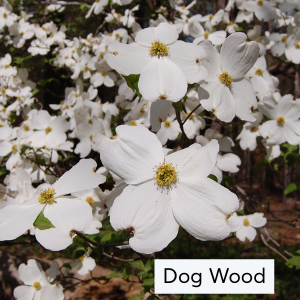
Some of the toughest and most beautiful plants for clay thrive right here in the Piedmont. Red maples are native workhorses that prefer clay conditions. Dogwoods, while preferring slightly acidic clay, are stunning spring bloomers that define Carolina gardens. American hornbeam and sweet bay magnolia are also excellent choices.
For shrubs, serviceberry is reliable and offers seasonal interest. Viburnum species handle clay beautifully and provide berries for wildlife. Oakleaf hydrangeas produce gorgeous white blooms in summer and thrive in our clay-rich soils.
Perennials That Perform in Clay
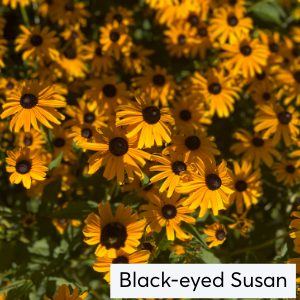
Hostas are absolute clay champions. They actually struggle in sandy soil, so your clay is their ideal home. Black-eyed Susans, purple coneflowers, and daylilies are all tough perennials that tolerate clay without complaint. Sedums (stonecrop) are exceptionally hardy and beautiful. Russian sage, bee balm, and salvia all thrive in heavier soils common to our area.
Ornamental grasses like little bluestem and switchgrass are native to our region and handle clay with ease. These add movement and seasonal color to your landscape while being virtually maintenance-free.
Groundcovers and Native Options
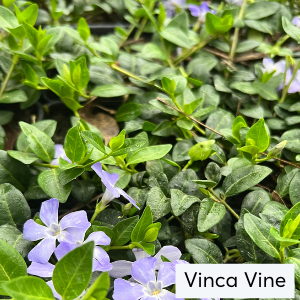
If you're looking to fill space affordably, consider native groundcovers. Creeping phlox blankets slopes in spring and tolerates clay perfectly. Vinca Vine is a great option and fills in well with light purple spring blooms. Liriope (lilyturf) is practically indestructible in our conditions.
The Clay Soil Strategy
The key to success with clay is choosing the right plants and making one important improvement: adding mulch. A 2 to 3-inch layer of organic mulch helps clay soil breathe, improves drainage incrementally, and keeps roots cool. Clay soil also tends to retain nutrients well, so these plants often need less fertilizing than you'd expect.
Spring planting in our area gives plants time to establish before summer heat, while fall is equally good since clay soil holds moisture through the cooler months.
Let Us Design for Your Soil
Trying to fight your clay soil wastes money and creates endless frustration. Our team works with Triangle homeowners to design landscapes that embrace what you already have. We know which plants thrive in our specific soils and climate, and we can create a beautiful, healthy landscape that requires far less maintenance and cost than fighting against nature.
Your clay soil isn't a problem to solve. It's an opportunity to create something beautiful and sustainable.
Contact us today to design a landscape that loves your soil as much as you'll love the results.