Creating a walking path in your home landscape is a wonderful way to enhance both the beauty and functionality of your outdoor space. Whether you're looking to connect different areas of your yard, create a serene garden walkway, or simply add some visual interest, there are a variety of materials and styles to choose from. Here are five different types of walking paths that can complement any landscape design:
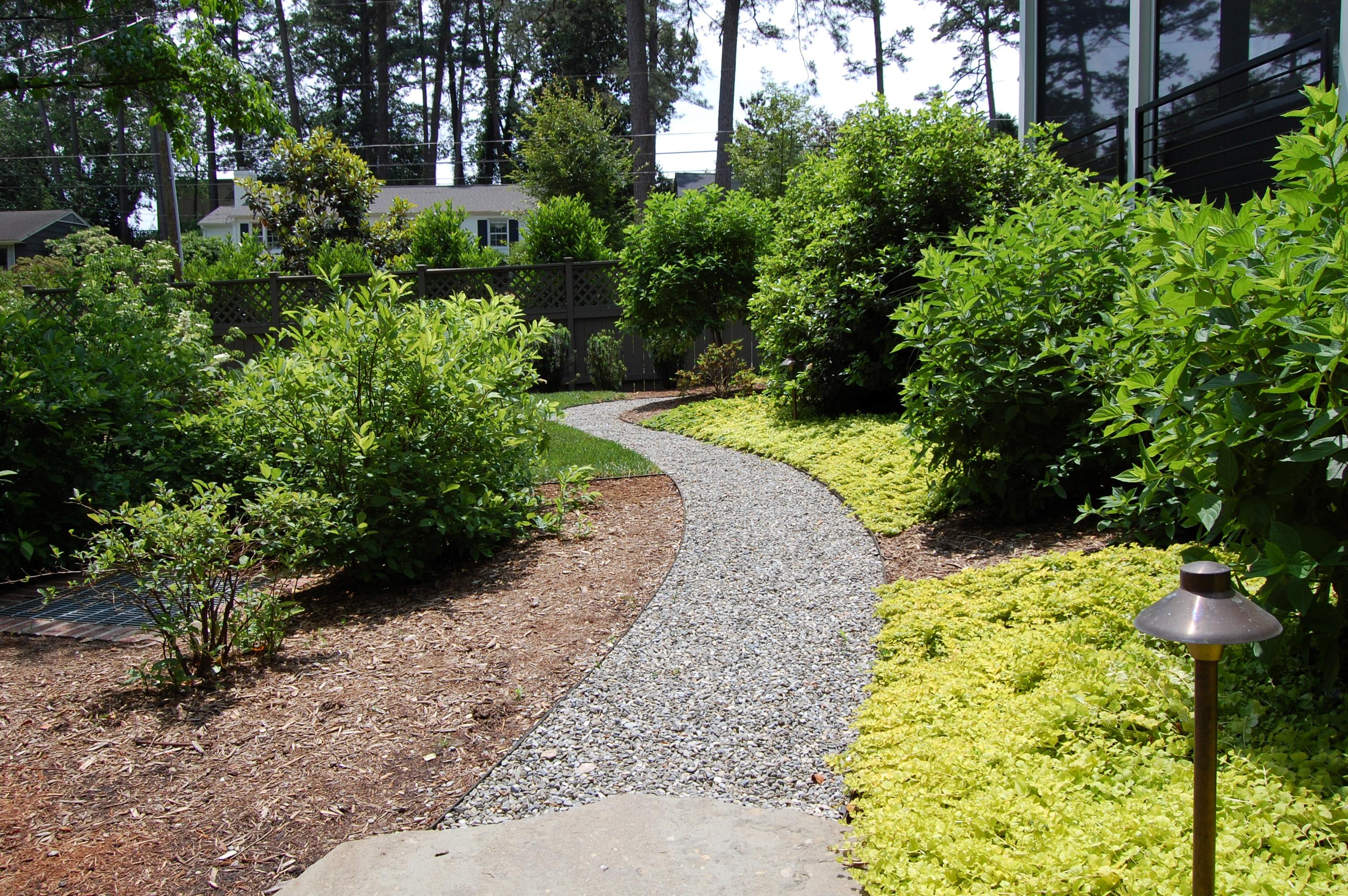
Gravel Paths
Gravel paths are a versatile and budget-friendly option that fits well with many landscaping styles, from rustic to modern. They are easy to install and maintain, requiring just a layer of gravel over a base of compacted soil and landscape fabric. The loose, natural look of gravel adds a casual charm to gardens and works especially well in cottage-style landscapes. Gravel paths are also excellent for drainage, making them ideal for areas prone to rain or runoff. To keep gravel in place, edging materials like metal or stone can be added along the sides.
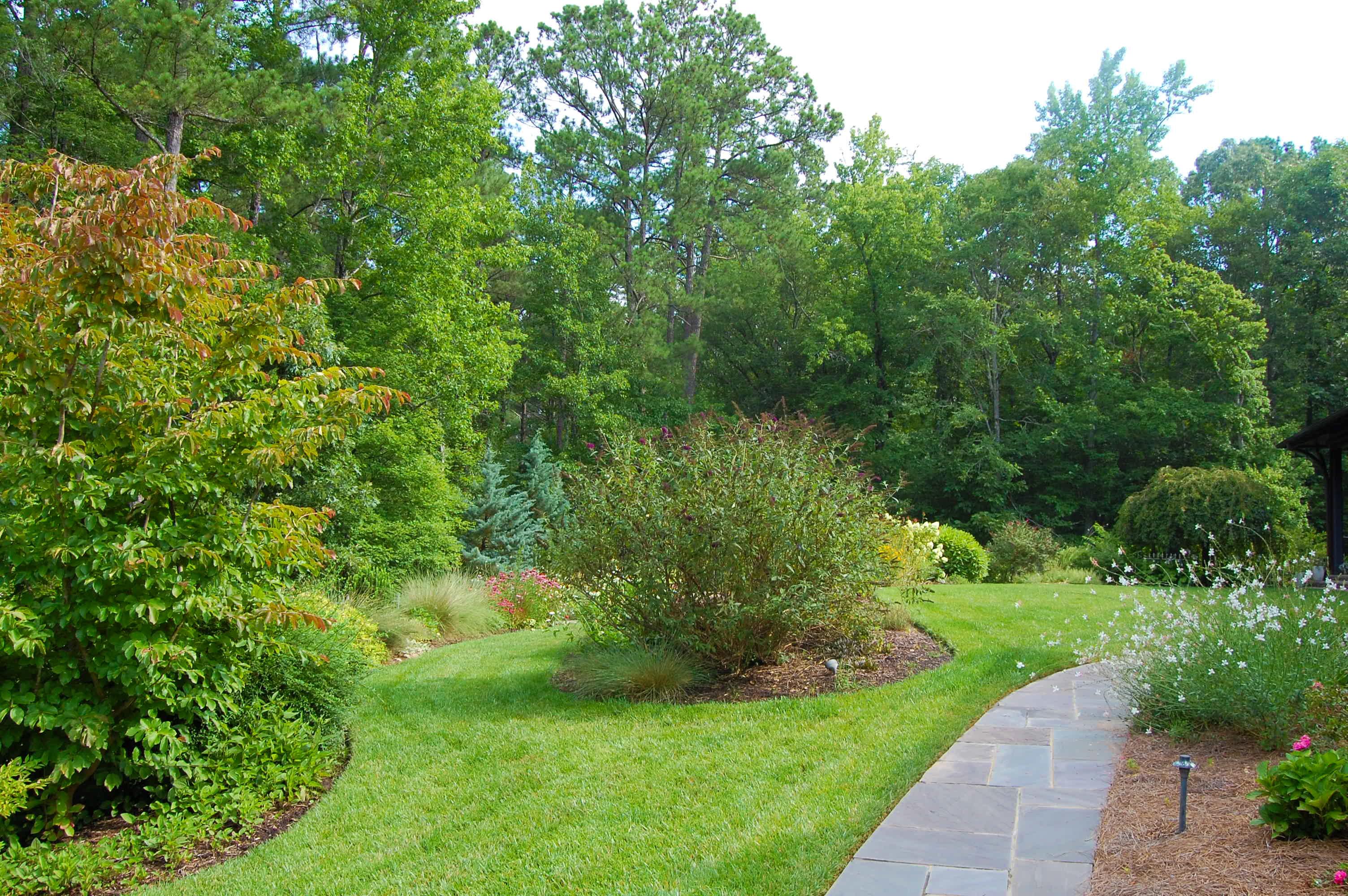
Paver Stone Paths
Paver stone paths offer a more structured and durable option for your landscape. These paths are made from interlocking pavers, available in a variety of shapes, sizes, and colors. Paver stones are an excellent choice for creating formal walkways or patios, providing a clean and polished appearance. They are also highly durable and can withstand heavy foot traffic, making them perfect for frequently used paths. Installation requires some effort, as the pavers need to be set on a properly prepared base, but the result is a long-lasting and attractive walkway.
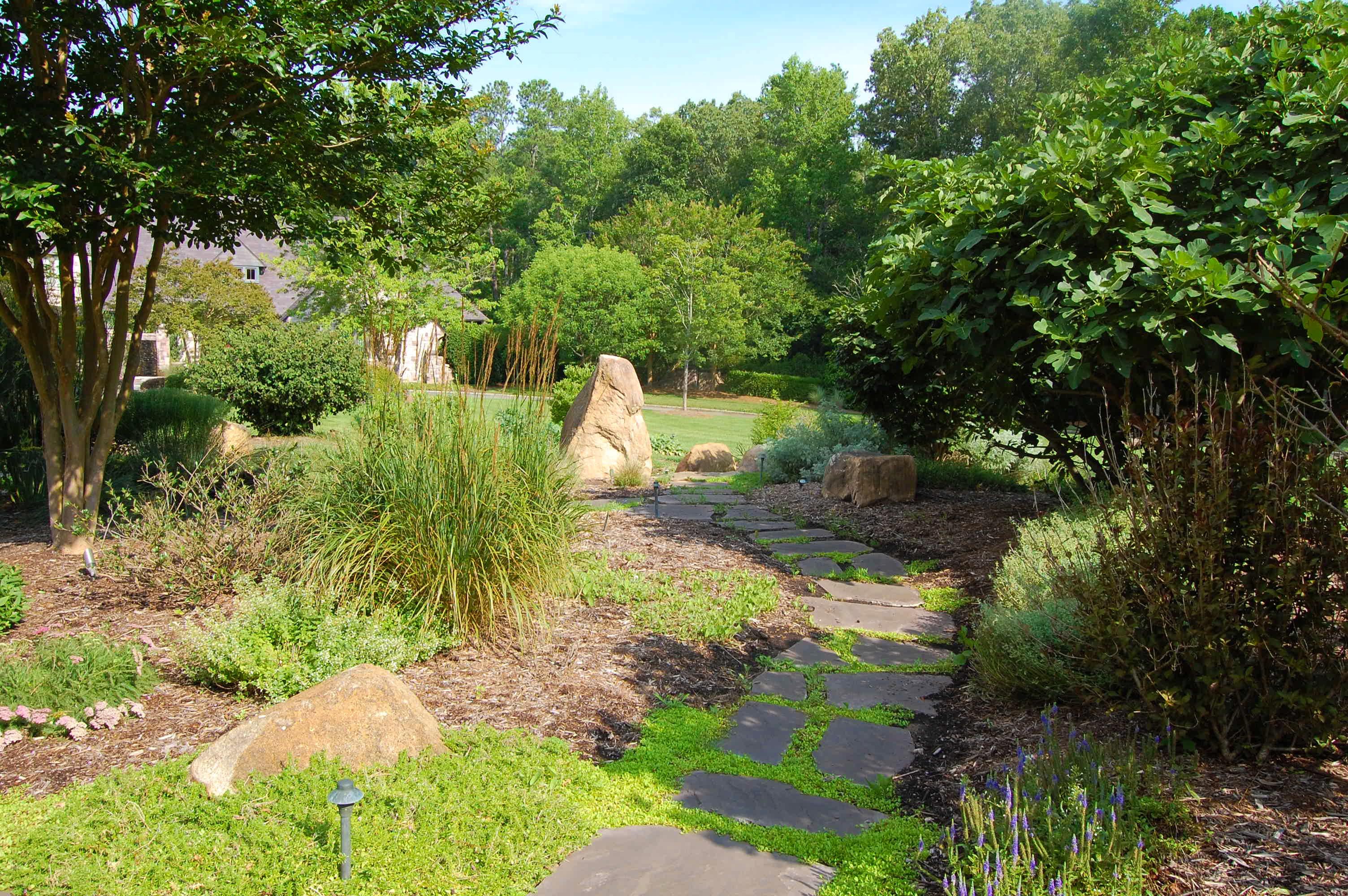
Stepping Stone Paths
Stepping stone paths are a great way to create a whimsical or natural look in your garden. These paths use individual stones placed at intervals, allowing grass or ground cover to grow between them. Stepping stones are ideal for creating a meandering path through a garden or connecting different areas of your yard in a subtle, organic way. They can be made from a variety of materials, including natural stone, concrete, or even repurposed materials like old bricks. The key to a successful stepping stone path is to space the stones comfortably for walking, ensuring that each step feels natural.
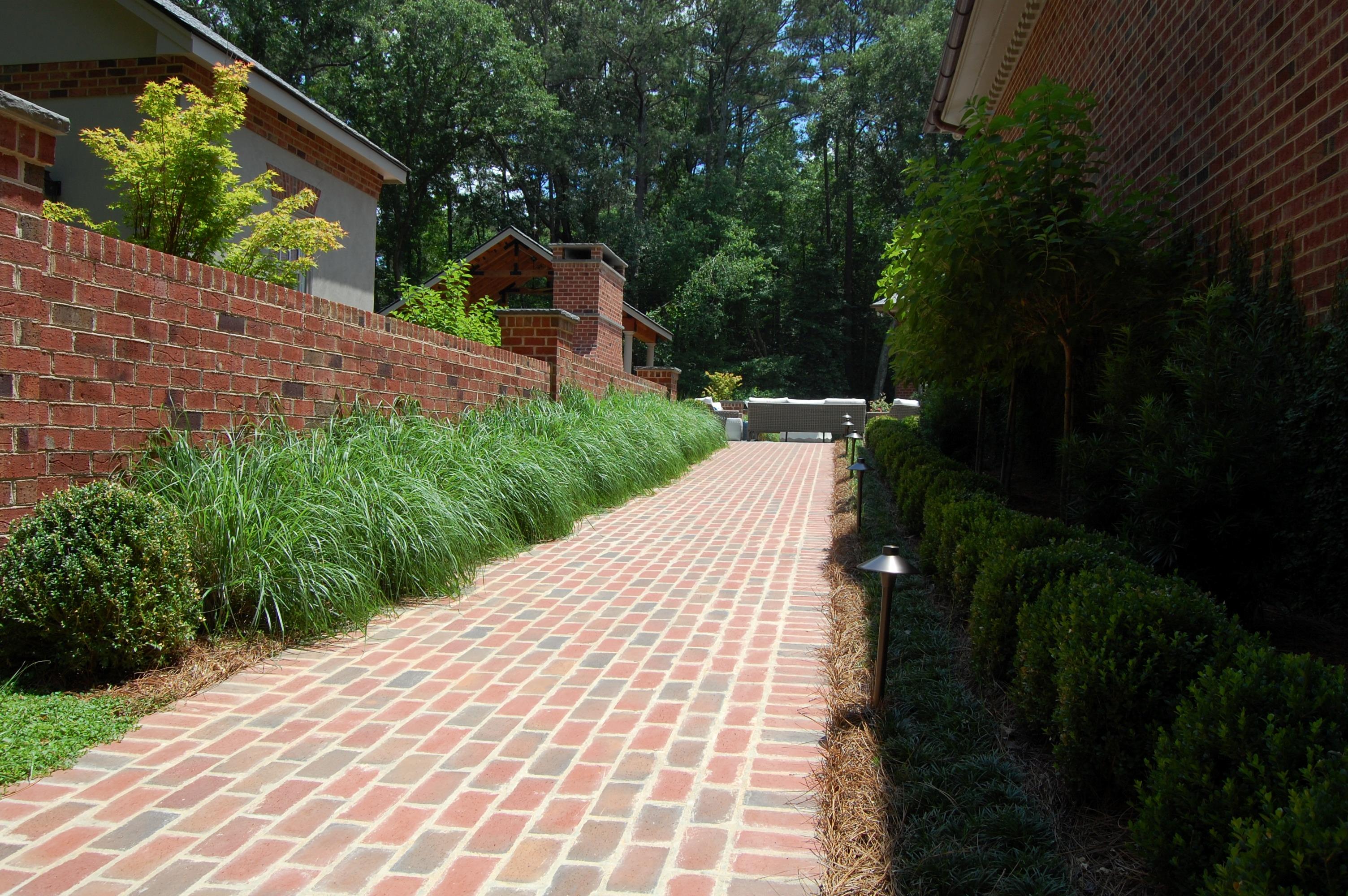
Brick Paths
Brick paths offer a classic and timeless look that can enhance both traditional and contemporary landscapes. Bricks can be laid in various patterns, such as herringbone, basket weave, or running bond, allowing for creative design possibilities. Brick paths are durable and can handle moderate foot traffic, making them suitable for front walkways or garden paths. Over time, bricks may develop a charming patina, adding to the character of your landscape. Installation can be labor-intensive, as bricks need to be set on a stable base, but the result is a beautiful and enduring pathway.
Conclusion
Each type of walking path offers unique benefits and aesthetic appeal, allowing you to choose the best option for your home landscape. Whether you prefer the rustic charm of gravel, the structured elegance of pavers, or the natural simplicity of stepping stones, a well-designed path can transform your outdoor space into a more inviting and functional environment. Consider the style of your home, the function of the path, and the overall landscape design when selecting the perfect material for your walkway.
Designing Durable, Stylish Walkways in the Triangle
A thoughtfully designed walking path does more than guide foot traffic - it defines space, improves drainage, protects turf, and adds architectural structure to your landscape. In North Carolina’s climate, material choice and proper installation are critical to ensure longevity and performance through heavy rains, summer heat, and seasonal shifts.
Gravel, pavers, brick, and natural stone each offer distinct advantages, but the base preparation, grading, and edge restraint determine whether a path lasts for years or begins to settle and shift. The right walkway should complement your home’s architecture while functioning as a durable extension of your outdoor living space.
Our team designs and installs custom walkways for homeowners throughout Raleigh, Durham, Chapel Hill, and surrounding Triangle communities - integrating pathways seamlessly into planting beds, patios, and overall landscape plans.
If you’re considering adding or upgrading a garden path or front walkway, a professional design consultation can ensure the materials, layout, and drainage are done correctly from the start.
👉 Schedule a Hardscape Design Consultation
Serving Homeowners Across the Triangle
If you’re in Raleigh, Durham, or Chapel Hill and need expert help with landscaping, hardscaping, or outdoor construction, Myatt Landscaping and Construction is here to help.
From custom patios and retaining walls to full outdoor design-build projects, our local team has served the Triangle area for more than 25 years.
📍 Myatt Landscaping and Construction
217 Technology Park Ln, Fuquay-Varina, NC 27526
☎ (919) 577-6050
Come Visit Us!
Frequently Asked Questions
What is the best material for a walking path in North Carolina?
The best material depends on usage and style preferences. Pavers and brick offer durability for high-traffic areas, while gravel and stepping stones provide a more casual garden look.
Do walking paths require a base underneath?
Yes. Proper base preparation with compacted gravel and leveling materials is essential to prevent shifting, settling, and drainage problems.
Are gravel paths a good option for drainage?
Gravel paths allow water to pass through easily, making them a strong option for areas prone to runoff or heavy rainfall.
How wide should a garden walkway be?
Most residential walkways are between 36 and 48 inches wide, depending on whether the path is decorative or intended for frequent two-person use.
Do brick or paver paths require maintenance?
Occasional maintenance such as joint sand replenishment, edge stabilization, and surface cleaning helps extend the life of brick and paver pathways.
Can walkways increase property value?
Well-designed hardscaping enhances curb appeal, improves functionality, and contributes to the overall aesthetic and value of a home.