As the seasons change and daylight fades earlier in the evening, your landscape begins to serve a different purpose. In spring and summer, outdoor spaces are often designed for entertaining, gardening, and enjoying long evenings outside. But during fall and winter, landscapes take on a new role focused on visibility, safety, security, and comfort.
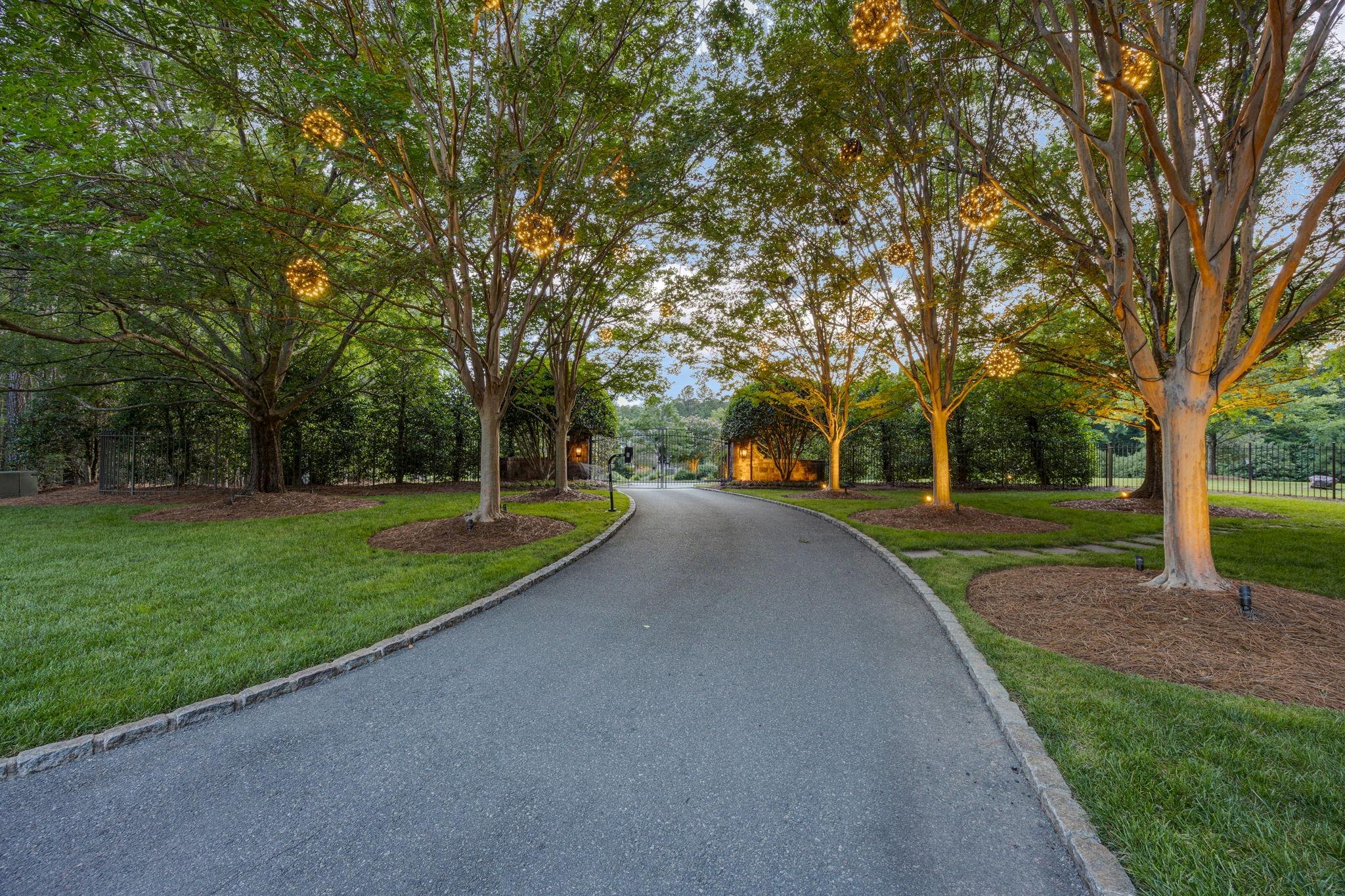
Many homeowners notice that their property feels dramatically different once darkness arrives at 5:30 PM instead of 8:30 PM. Walkways become harder to navigate, entryways lose visibility, and beautiful landscape features disappear into the shadows. Fortunately, thoughtful outdoor lighting solutions can completely transform how your property functions during the darker months.

One of the most important benefits of landscape lighting is safety. Steps, uneven walkways, retaining walls, and changes in elevation can become hazards when visibility is reduced. Proper path lighting helps guide family members and guests safely through the property while reducing the risk of trips and falls. This becomes especially important during wet weather, icy mornings, or when leaves begin covering pathways in the fall.
Security is another major reason homeowners invest in landscape lighting during the shorter days of the year. Dark areas around a home can create hiding spots and reduce visibility around entrances, driveways, and side yards. Strategic lighting around doors, garages, gates, and gathering areas helps make a property feel more secure while also improving visibility for security cameras and monitoring systems. Motion lighting can provide an additional layer of protection while still maintaining an attractive appearance.
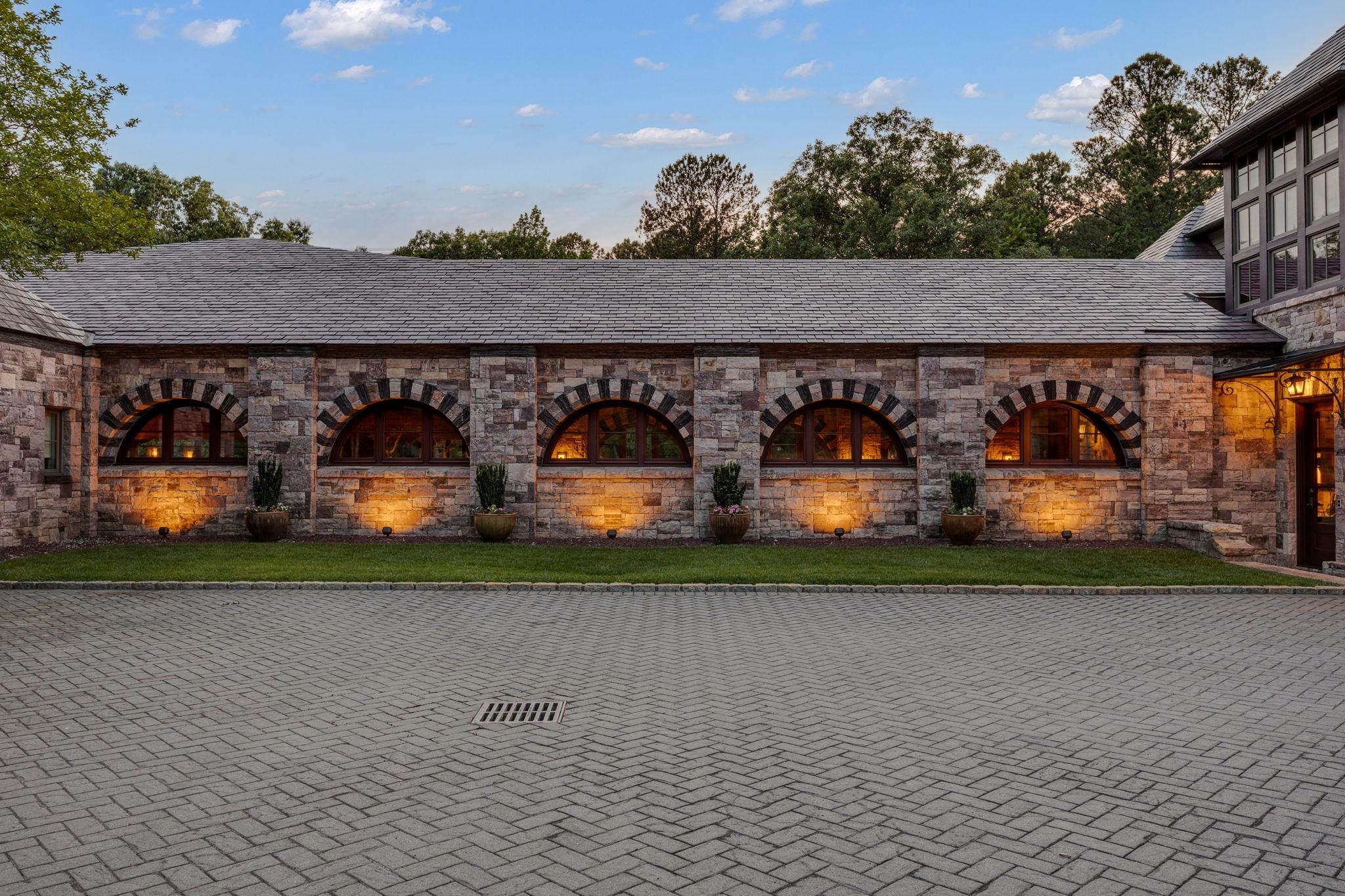
Beyond function, outdoor lighting also extends the enjoyment of your landscape long after the sun goes down. Accent lighting can highlight architectural details, specimen trees, water features, and planting beds that would otherwise disappear at night. A beautifully illuminated Cutleaf Japanese Maple, stone wall, or waterfall creates a warm and welcoming atmosphere throughout the colder months.
Modern LED landscape lighting systems are also more energy-efficient and customizable than ever before. Homeowners can choose from timers, smart controls, dimming options, and zone-specific lighting designs that fit their lifestyle and property needs. Lighting can be subtle and elegant or bold and dramatic depending on the desired effect.
Fall and winter are also excellent times to evaluate your current outdoor lighting system. Overgrown plants, damaged fixtures, outdated bulbs, and shifting landscape beds can reduce effectiveness over time. Seasonal adjustments and upgrades can make a significant difference in both appearance and performance.
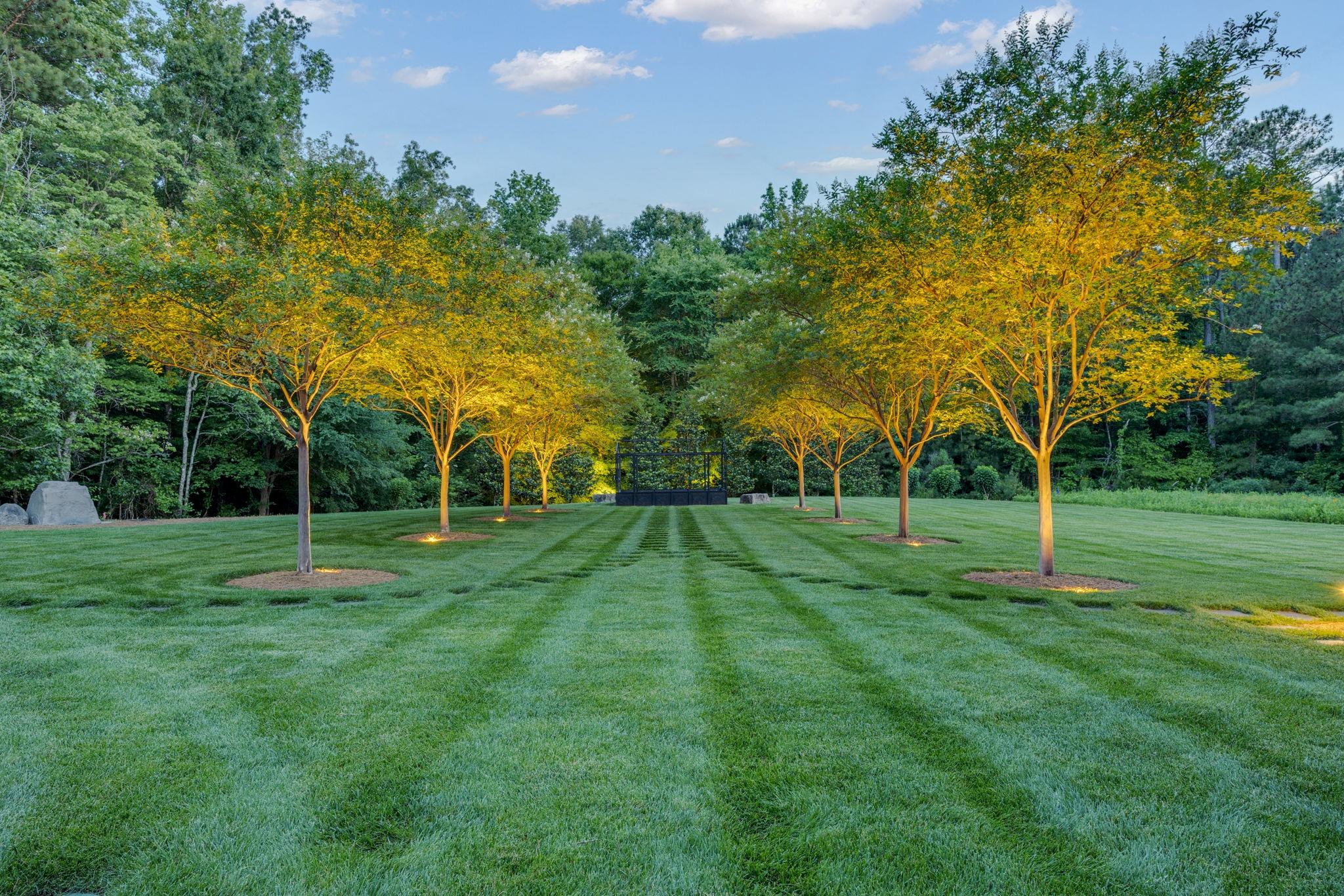
A well-designed landscape should not disappear when the sun goes down earlier. With thoughtful lighting and security solutions, your outdoor spaces can remain beautiful, functional, and inviting throughout the fall and winter seasons. The right lighting design not only protects your property and improves safety, but also allows you to experience the beauty of your landscape year-round.
Frequently asked questions:
Why is landscape lighting especially important during fall and winter?
With shorter days and longer nights, landscape lighting helps maintain visibility, improve safety, and highlight the beauty of your property. It also allows you to enjoy outdoor spaces after dark.
How can outdoor lighting improve safety around walkways, steps, and uneven surfaces?
Path lights, step lights, and other strategically placed fixtures illuminate walking surfaces, changes in elevation, and potential obstacles. Proper lighting helps family members and guests navigate your property more safely, especially during wet or icy weather.
Can landscape lighting help improve home security?
Yes. Lighting around entryways, driveways, garages, and side yards improves visibility and reduces dark areas around your home. Motion-activated lights can provide additional security, while consistent lighting can help security cameras capture clearer images.
What types of landscape lighting can highlight trees, planting beds, and architectural features?
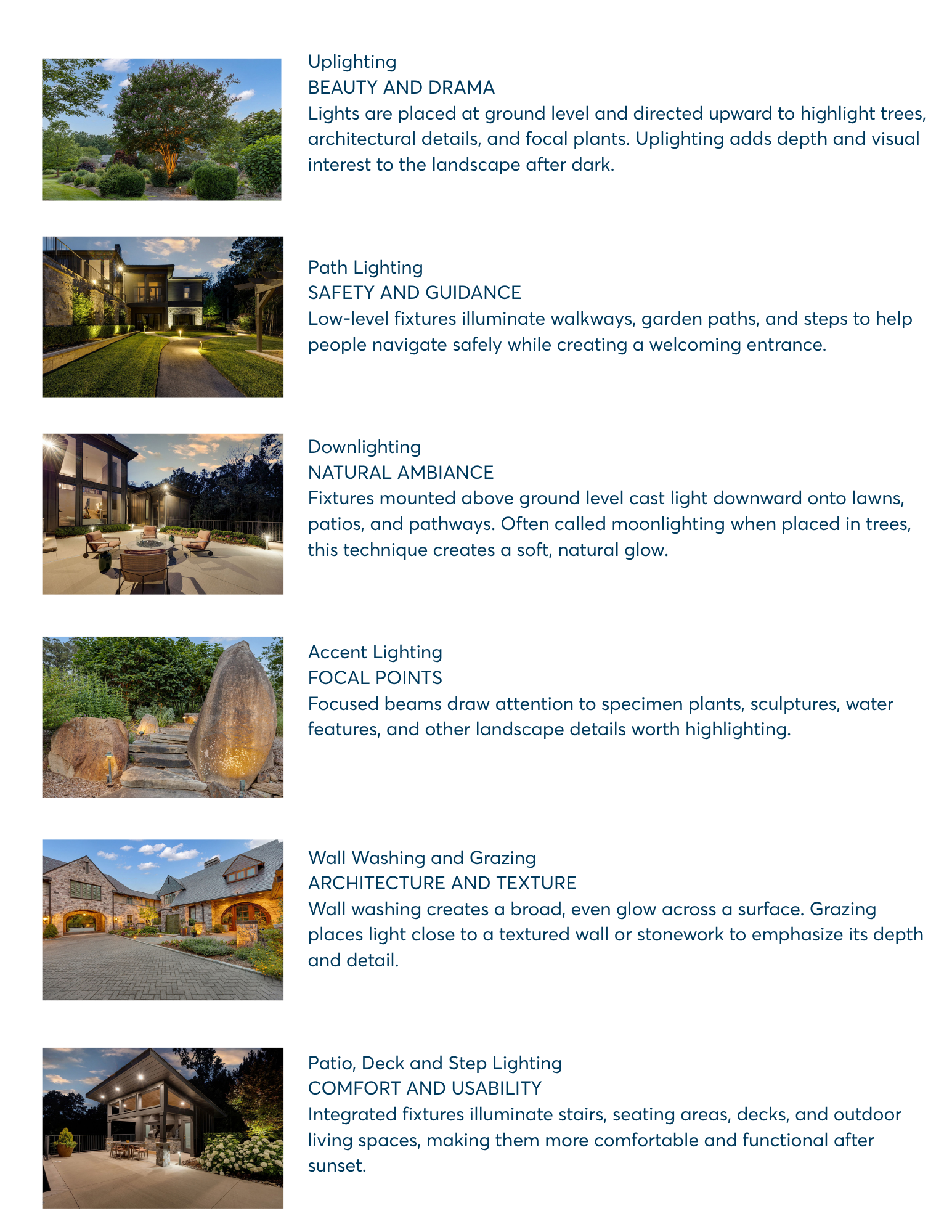
Uplighting can emphasize trees and architectural details, while accent lighting draws attention to specimen plants, water features, and other focal points. Wall washing and grazing can highlight exterior walls and textured stonework. A combination of techniques creates depth and visual interest after dark.
Are LED landscape lighting systems energy-efficient?
LED landscape lighting typically uses less energy and lasts longer than traditional lighting options. Many systems also offer timers, dimming, and smart controls, allowing homeowners to customize lighting schedules and adjust brightness to meet their needs.
When is the best time to evaluate or upgrade your landscape lighting system?
Fall and winter are excellent times to assess your outdoor lighting needs as longer nights make dark areas easier to identify. Check for damaged fixtures, burned-out bulbs, overgrown plants, and poorly lit walkways. Addressing these issues can improve safety, security, and appearance throughout the year.